

01 April 2026 Indian Express Editorial
What to Read in Indian Express Editorial ( Topic and Syllabus wise)
Article 1: Neighbourhood Policy & Trade Diplomacy
Why in News: Recent political transitions in South Asia (Bangladesh, Nepal, Sri Lanka) present India with a rare opportunity to recalibrate its neighbourhood policy with trade as a central pillar.
Key Details
New governments in Bangladesh, Nepal, and Sri Lanka signal a generational political shift in the region.
India’s earlier neighbourhood policy faced criticism due to political mistrust and economic protectionism.
There is growing emphasis on trade, connectivity, and economic interdependence as tools of diplomacy.
Changing global trade dynamics and regional instability make neighbourhood engagement urgent.
Neighbourhood First Policy – Strategic Importance
Core Principle of Foreign Policy: India’s “Neighbourhood First” policy prioritises stable and cooperative relations with immediate neighbours to ensure regional peace, security, and development.
Geostrategic Relevance: South Asia is critical due to its proximity, shared borders, and cultural ties, making it essential for India’s security and economic interests.
Buffer against External Influence: Strong neighbourhood ties help counter the growing influence of external powers, especially China’s Belt and Road Initiative (BRI).
Regional Stability and Growth: Peaceful neighbourhood relations are essential for border management, migration control, and economic growth, especially in border states.
Recent Political Transitions – Opportunity for Reset
Bangladesh – Political Reorientation: A new leadership with a “national interest first” approach opens scope for pragmatic, less personality-driven diplomacy.
Nepal – Generational Shift: Emergence of new political actors reflects a shift from traditional politics, offering India a chance to build relations based on equality and respect for sovereignty.
Sri Lanka – Post-Crisis Realignment: Economic crisis and political changes have pushed Sri Lanka toward pragmatic engagement with India, especially in trade and energy cooperation.
Decline of Old Political Narratives: The shift away from dependency politics indicates that neighbours now seek partnership rather than patronage.
Trade as a Tool of Diplomacy
Economic Interdependence: Trade fosters mutual dependence, reducing conflict and increasing cooperation, as seen in India-Bangladesh trade relations.
India’s Comparative Advantage: Geographic proximity and market size give India a natural edge in regional trade, yet this remains underutilised.
Trade Agreements and FTAs: India’s renewed push for FTAs globally (EU, UK) indicates a shift toward liberalised trade policy, which can be extended to neighbours.
Development through Trade: Increased exports of goods like rice, spices, textiles, and seafood can boost regional economies and create employment.
Structural Challenges in Regional Trade
Protectionist Trade Policies: India has historically imposed tariffs and non-tariff barriers, limiting trade potential with neighbours.
Poor Connectivity Infrastructure: Inadequate border infrastructure and logistics reduce efficiency despite geographical proximity (e.g., India-Bangladesh border).
Trade Imbalance Issues: India runs trade surpluses with neighbours, leading to concerns about unequal benefits and economic dependence.
Non-Tariff Barriers: Complex regulations, customs delays, and certification issues act as hidden barriers to trade.
Connectivity and Regional Integration
Physical Connectivity: Projects like BBIN (Bangladesh-Bhutan-India-Nepal) aim to improve road, rail, and inland waterways connectivity.
Energy Connectivity: Cross-border electricity trade (e.g., India-Nepal hydropower cooperation) enhances regional energy security.
Digital and Financial Integration: Digital payment systems and fintech cooperation can facilitate seamless economic transactions.
Boost to Border Regions: Improved connectivity can uplift economically backward regions like Eastern India and Northeast India.
Changing Global Context – Need for Regionalism
Fragmentation of Global Trade: Rising protectionism, tariffs, and geopolitical tensions are weakening the global trading system.
Regional Supply Chains: Countries are shifting toward regional trade blocs, making South Asia a potential integrated market.
Gulf Region Instability: Economic turbulence in the Gulf affects remittances and energy security, increasing the need for regional cooperation.
Strategic Autonomy: Strengthening neighbourhood ties helps India maintain strategic autonomy in a multipolar world.
Mindset Shift in Diplomacy
From Patron to Partner: India must move away from the perception of being a dominant power offering favours to being an equal partner.
Mutual Benefit Approach: Agreements should ensure win-win outcomes, fostering trust and long-term cooperation.
Political Sensitivity: Respect for sovereignty and domestic political dynamics of neighbours is crucial to avoid resentment.
Institutional Flexibility: Rather than relying on large forums like SAARC, India should adopt flexible, bilateral and sub-regional approaches.
Conclusion
India must leverage this rare geopolitical moment to redefine its neighbourhood policy through trade-led integration. Enhancing connectivity, reducing trade barriers, and fostering mutual economic growth can transform South Asia into a cohesive and prosperous region. A shift from hierarchical diplomacy to partnership-based engagement is essential for sustainable regional leadership. Trade, backed by political will and institutional reforms, can become the cornerstone of India’s neighbourhood strategy.
EXPECTED QUESTIONS FOR UPSC CSE
Prelims MCQ
- Which of the following initiatives aims to enhance sub-regional connectivity in South Asia?
(a) SAARC
(b) BIMSTEC
(c) BBIN Initiative
(d) ASEAN
Answer:(c)
Descriptive Question
- “Trade can become the cornerstone of India’s neighbourhood policy.” Examine in the context of recent geopolitical developments. (150 Words, 10 Marks)
Article 2: Foundational Education & Shared Responsibility
Why in News: With the start of the new academic session in 2026, nearly 2 crore children enrolling in Class 1 highlights the importance of foundational education under National Education Policy (NEP) 2020.
Key Details
Around 2 crore children enter formal schooling annually, marking a crucial stage in human capital formation.
NEP 2020 emphasises foundational literacy, numeracy, and holistic development.
NIPUN Bharat Mission aims to achieve foundational learning by Grade 3.
Focus on health, well-being, multilingualism, and digital balance in school education.
Foundational Literacy & Numeracy (FLN) – Core Priority
NIPUN Bharat Mission: Launched in 2021, it aims to ensure all children achieve basic reading and arithmetic skills by Grade 3, addressing learning poverty in early years.
Learning Crisis in India: Reports like ASER indicate gaps where many children in primary classes struggle with basic reading and numeracy, making FLN a policy priority.
Shift from Rote Learning: Focus has moved from memorisation to conceptual understanding and competency-based learning, encouraging critical thinking from early stages.
Long-term Impact: Strong foundational skills improve learning outcomes, employability, and productivity, directly contributing to demographic dividend.
NEP 2020 & Holistic Education Approach
5+3+3+4 Structure: Introduces a new curricular structure focusing on early childhood care and education (ECCE) and experiential learning.
Whole Child Development: Emphasis on cognitive, emotional, physical, and ethical growth, moving beyond exam-centric education.
Integration of Co-curriculars: Arts, sports, and vocational education are integrated into curriculum to develop life skills and creativity.
Alignment with SDG-4: NEP aligns with UN Sustainable Development Goal 4 (Quality Education) ensuring inclusive and equitable learning opportunities.
Early Childhood Care & Learning Environment
Importance of Early Years (3–8 years): Research shows over 85% of brain development occurs in early childhood, making this stage critical for learning.
Play-based Learning: NEP promotes activity-based and discovery-oriented learning, improving curiosity and engagement among children.
Role of Teachers: A supportive teacher transforms hesitation into confidence and participation, shaping long-term educational outcomes.
Safe & Inclusive Schools: Schools must ensure psychological safety, inclusivity, and belongingness, especially for first-generation learners.
Health, Nutrition & Physical Well-being
PM POSHAN Scheme: Provides mid-day meals to improve nutrition, attendance, and retention in schools.
Rising Lifestyle Concerns: Increasing childhood obesity and reduced physical activity due to sedentary lifestyles require policy intervention.
School Health Initiatives: Measures like mandatory physical education, nutrition awareness boards (oil/sugar boards) promote healthy habits.
Learning Outcomes Link: Healthy children demonstrate better concentration, participation, and academic performance.
Technology & Digital Challenges
Digital Learning Expansion: Platforms like DIKSHA and online tools enhance access and quality of education, especially post-pandemic.
Concerns of Screen Time: Excessive use of digital devices impacts attention span, mental health, and social interaction.
Balanced Approach: Technology must act as a learning enabler, not a distraction, requiring guidance from schools and parents.
Digital Divide: Unequal access to devices and internet remains a challenge, affecting equity in education.
Multilingualism & Inclusive Education
Mother Tongue Instruction: NEP recommends teaching in mother tongue/local language till Grade 5, improving comprehension and retention.
Cultural Identity: Multilingual education strengthens cultural roots and cognitive flexibility among students.
Inclusive Classrooms: Focus on gender equality, socio-economic inclusion, and special needs education.
Bridging Inequalities: Education acts as a tool for social mobility and reducing disparities.
Shared Responsibility – State, Society & Family
Government Role: Policy frameworks, funding, and schemes ensure access, quality, and equity in education.
Role of Teachers: Teachers act as nation builders, shaping values, skills, and aspirations of students.
Parental Involvement: Home environment significantly influences learning behaviour and motivation of children.
Community Participation: Collective engagement creates a supportive ecosystem for education, making it a shared national mission.
Conclusion
The first day of school symbolises not just a child’s journey but a nation’s commitment to its future. Strengthening foundational learning, ensuring inclusive and healthy environments, and fostering collaboration among stakeholders are essential. Achieving the vision of Viksit Bharat 2047 depends on investing in education today, making every classroom a space for nurturing responsible and capable citizens.
EXPECTED QUESTION FOR UPSC CSE
Prelims MCQ
- NIPUN Bharat Mission aims to achieve:
(a) Universal secondary education
(b) Foundational literacy and numeracy by Grade 3
(c) Digital education in rural areas
(d) Teacher training reforms
Answer:(b)
Article 3: Agri Supply Shock & Inflation
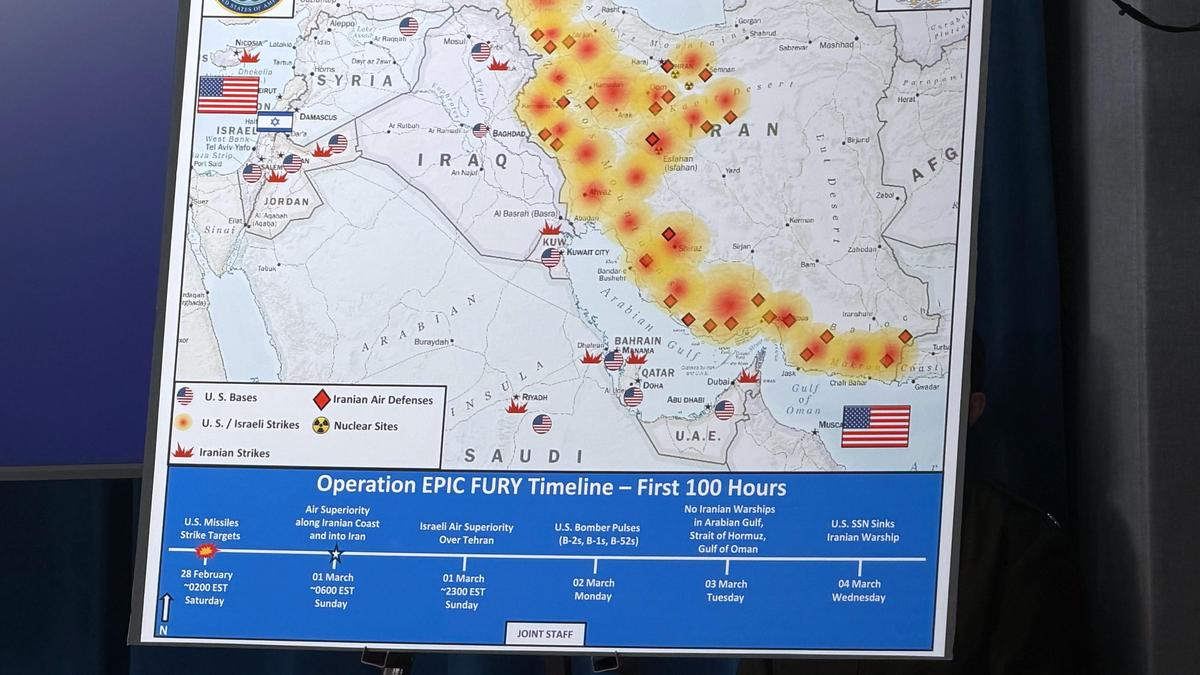
Why in News: The ongoing geopolitical tensions involving Iran have raised concerns over fertiliser and agrochemical supply disruptions, even as India maintains comfortable food stocks.
Key Details
India currently has ample wheat and rice stocks along with a bumper rabi crop, keeping food inflation stable.
However, the Iran-related conflict has disrupted fertiliser and pesticide supply chains, especially from West Asia.
Prices of key inputs like ammonia, sulphur, and DAP have sharply increased, raising cost pressures.
The situation poses risks for the upcoming kharif season and future food inflation trends.
Food Security Buffer & Inflation Stability
Buffer Stock Mechanism: India maintains buffer stocks through agencies like FCI to ensure food security. As of March 2026, wheat (~23.6 MT) and rice (~36.5 MT) stocks are adequate, preventing immediate inflation spikes.
Bumper Rabi Production: Favorable monsoon in 2025 and conducive weather during grain filling have increased yields of wheat, pulses, and oilseeds, strengthening supply-side stability.
Inflation Control through Supply: High availability of cereals and stable sugar prices (~₹38–45/kg) indicate that food inflation is currently under control, aligning with RBI’s inflation targeting framework.
Past Precedent (COVID-19): Similar to the pandemic period, agriculture has acted as a shock absorber, supporting economic resilience during global crises.
Fertiliser Supply Chain Vulnerability
Import Dependence: India imports a large share of fertilisers and raw materials (urea, DAP, LNG, ammonia), mainly from Gulf countries, making it vulnerable to geopolitical disruptions.
Price Escalation: Ammonia prices surged from $450 to $750/tonne, sulphur from $200 to $700+, and DAP to ~$825, increasing subsidy burden and farmer costs.
Kharif Season Risk: Current fertiliser stocks may suffice only for early kharif demand, raising concerns about timely availability during peak sowing months (June–July).
Subsidy Pressure: Rising global prices may require recalibration of nutrient-based subsidy (NBS), impacting fiscal health and policy decisions.
Agrochemical Supply Disruptions
Petrochemical Linkages: Agrochemicals depend on petrochemical derivatives like naphtha, propylene, benzene, much of which originates from West Asia.
Global Supply Chain Concentration: Around 55% of global naphtha supply is linked to West Asia, making disruptions in the Strait of Hormuz critical for global agriculture.
Cost Transmission: Increase in intermediate chemicals raises production costs of pesticides like glyphosate, affecting farmers’ input expenses.
Packaging Cost Inflation: Rising prices of HDPE, PET bottles, and packaging materials (up by 30–40%) further increase overall agrochemical costs.
Input Cost–Inflation Linkage
Cost-Push Inflation: Rising fertiliser and pesticide costs can lead to higher cost of cultivation, eventually translating into higher food prices.
Farmer Profitability Impact: Increased input costs without proportional MSP or market price rise may reduce farmers’ income, affecting rural demand.
Delayed Inflation Effect: While current stocks prevent immediate inflation, future seasons (kharif and rabi) may witness price pressures.
Global Transmission Channels: Energy prices, currency depreciation, and global supply chains act as channels of imported inflation.
Structural Issues in Indian Agriculture
Imbalanced Fertiliser Use: Overdependence on urea leads to nutrient imbalance. India consumes ~40 MT urea annually, much higher than balanced requirements.
Import Dependency: Heavy reliance on imports for fertilisers and agrochemicals exposes India to external shocks and price volatility.
Low Input Efficiency: Inefficient fertiliser usage reduces productivity and increases environmental degradation, including soil health issues.
Policy Distortions: Subsidy-heavy policies often distort market signals, leading to overuse of certain inputs and underuse of others.
Opportunity for Agricultural Reforms
Balanced Fertilisation: Promoting complex fertilisers (NPK) instead of urea can improve nutrient efficiency and sustainability.
Domestic Production Push: Enhancing local manufacturing under initiatives like Atmanirbhar Bharat can reduce import dependence.
Diversification of Imports: Expanding sourcing beyond West Asia can mitigate geopolitical risks.
Technological Solutions: Adoption of precision farming, nano-fertilisers, and bio-fertilisers can reduce input intensity and improve resilience.
Conclusion
India’s strong food stock position provides short-term relief from inflationary pressures, but the Iran-related supply disruptions highlight structural vulnerabilities in agricultural inputs. A strategic shift towards self-reliance, balanced fertilisation, diversification of supply chains, and sustainable practices is essential. The crisis should be viewed as an opportunity to reform India’s agricultural input ecosystem and enhance long-term resilience.
EXPECTED QUESTION FOR UPSC CSE
Prelims MCQ
- Nutrient-Based Subsidy (NBS) in India is related to:
Food grain procurement
Fertiliser subsidy
Crop insurance
Irrigation schemes
Answer: b
