

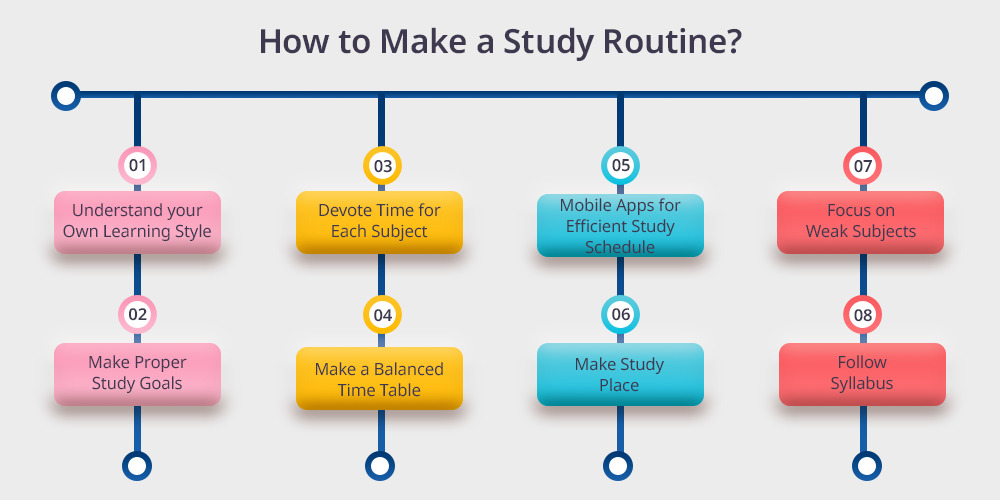
How To Create A Study Plan For Railway Exam Preparation
Preparing for railway exams such as RRB NTPC, Group D, ALP, and Technician requires a well-structured and disciplined study plan. With lakhs of aspirants competing for limited vacancies, random preparation is not enough. You need a clear roadmap, proper time management, and consistent practice to succeed.
This article will guide you step-by-step on how to create an effective study plan for railway exam preparation, along with practical hints to maximize your performance.
Understanding the Railway Exam Structure
Before creating a study plan, it is important to understand the exam pattern. Most railway exams include the following sections:
- General Awareness
- Mathematics
- General Intelligence and Reasoning
- General Science (for some exams)
Each section requires a different preparation strategy. Knowing the syllabus and weightage helps you allocate time wisely.
Step 1: Analyze the Syllabus and Exam Pattern
The first step in building a study plan is complete syllabus analysis. Many students skip this step and start preparation blindly, which leads to confusion later.
Go through:
- Official syllabus
- Previous year question papers
- Topic-wise weightage
This will help you understand:
- Important topics
- Frequently asked questions
- Difficulty level
Hint:
Always keep a printed syllabus and mark completed topics. It gives a sense of progress and keeps you motivated.
Step 2: Set Clear and Realistic Goals
A good study plan starts with clear goal setting. Divide your preparation into short-term and long-term goals.
- Short-term goals: Daily and weekly targets
- Long-term goals: Completing syllabus and mock test readiness
For example:
- Complete percentages in 2 days
- Practice 50 reasoning questions daily
- Finish one subject per week
Hint:
Avoid unrealistic targets. Small achievable goals build confidence and consistency.
Step 3: Create a Daily Study Schedule
Consistency is the key to success in railway exams. A daily study schedule helps you stay disciplined and focused.
Sample Daily Plan:
- Morning: Mathematics (fresh mind for calculations)
- Afternoon: Reasoning practice
- Evening: General Awareness / Current Affairs
- Night: Revision + Practice questions
Make sure to:
- Study 6–8 hours daily (based on your capacity)
- Include short breaks to avoid burnout
Hint:
Follow the “2-1-1 Rule”: 2 hours concept learning, 1 hour practice, 1 hour revision.
Step 4: Prioritize Important Topics
Not all topics carry equal weight. Smart preparation means focusing more on high-scoring areas.
Important Areas:
- Mathematics: Simplification, Percentage, Ratio, Time & Work
- Reasoning: Puzzles, Seating Arrangement, Coding-Decoding
- General Awareness: Current Affairs, Static GK
- General Science: Basic Physics, Chemistry, Biology
Hint:
Focus on strong topics first to secure easy marks, then improve weaker areas gradually.
Step 5: Include Regular Practice
Practice is essential, especially for Mathematics and Reasoning.
- Solve topic-wise questions daily
- Practice previous year papers
- Work on speed and accuracy
Hint:
Set a timer while solving questions to simulate exam conditions.
Step 6: Mock Tests and Performance Analysis
Mock tests are a crucial part of your study plan. They help you understand your preparation level.
- Take weekly mock tests initially
- Increase frequency closer to the exam
- Analyze mistakes carefully
Focus on:
- Time management
- Weak areas
- Accuracy
Hint:
Spend more time analyzing the mock test than attempting it. Improvement comes from analysis.
Step 7: Revision Strategy
Revision is often ignored but is extremely important.
- Revise formulas daily
- Go through notes regularly
- Reattempt difficult questions
Hint:
Follow the “Revision Cycle”: Revise within 24 hours, 1 week, and 1 month.
Step 8: Maintain Notes and Shortcuts
Preparing your own notes helps in quick revision.
Include:
- Important formulas
- Shortcut methods
- Key facts for General Awareness
Hint:
Keep a separate notebook for mistakes and revise it frequently.
Step 9: Stay Consistent and Motivated
Preparation for railway exams can be long and tiring. Staying motivated is essential.
- Set daily targets
- Reward yourself for achievements
- Avoid distractions
Hint:
Even 5–6 hours of focused study is better than 10 hours of distracted learning.
Step 10: Last Month Strategy
The final month is crucial for selection.
Focus on:
- Full-length mock tests
- Revision of all subjects
- Time management improvement
Avoid:
- Starting new topics
- Overloading yourself
Hint:
👉 Practice previous year papers multiple times—they give a clear idea of the exam pattern.
Common Mistakes to Avoid
- Studying without a plan
- Ignoring revision
- Not taking mock tests
- Focusing too much on one subject
- Lack of consistency
Sample Weekly Study Plan
|
Final Thoughts
Creating a study plan for railway exam preparation is not just about dividing time—it’s about strategic learning, consistent practice, and smart revision. A well-planned schedule reduces stress, improves productivity, and increases your chances of success.
Remember, success doesn’t come from studying more—it comes from studying smartly and consistently.
