

01 December 2025 Indian Express Editorial
What to Read in Indian Express Editorial( Topic and Syllabus wise)
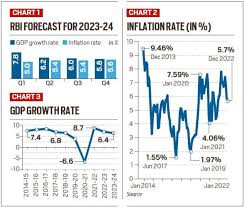
Editorial 1 : GDP Growth is Robust: Over to MPC
Context
- India’s Q2 FY26 GDP grew at a robust 8.2%, highlighting strong domestic demand and sectoral recovery, setting the stage for RBI’s MPC to balance growth and inflation.
Introduction:
- India’s economy grew at 2% in Q2 FY26, surpassing the RBI’s estimate of 7%. With first-half growth at 8%, India continues to be the fastest-growing major economy globally. This performance comes amid ongoing global uncertainties, including US tariffs and geopolitical tensions. The robust growth sets the stage for the upcoming Monetary Policy Committee (MPC) meeting, where RBI must balance supporting growth while maintaining price stability.
Sectoral Performance:
- Agriculture
- Growth at 5%due to a good monsoon and increased crop output.
- Positive impact expected in rural incomes and allied sectors (rural consumption, agri-exports).
- Manufacturing
- Grew 1%, reflecting recovery in industrial activity and investment demand.
- Corporate profitability surged 5%, indicating strong private sector performance and improved balance sheets.
- Services
- Services sector growth driven by finance, real estate, and professional services, underlining the resilience of the urban economy and formal employment sector.
- IT and BPO exports continue to support foreign exchange inflows.
- Government Spending
- Non-interest, non-subsidy revenue expenditure contracted 4%, a drag on growth.
- Reflects ongoing fiscal consolidationefforts post-pandemic.
Demand and Consumption Trends:
- Private consumption: Showing recovery; vehicle sales surged, indicating revival in durable goods demand.
- Investment activity: Maintained growth momentum, with capital formation contributing to GDP.
- Impact of GST rate cuts (Sept 2025): Likely to boost consumption and investment in Q3.
External Sector Considerations:
- Merchandise exports to the US fell 9% in October, reflecting effects of tariff barriers and global demand slowdown.
- Global uncertainties, including US interest rate policy, trade restrictions, and geopolitical conflicts, pose potential risks to India’s export-oriented sectors.
Monetary Policy Implications:
- Inflation Context
- Inflation remains below RBI’s target, creating space for potential rate cuts.
- Core inflation pressures remain moderate.
- Growth Context
- Strong domestic momentum may argue against aggressive easing to avoid overheating.
- RBI must balance supporting demandwith long-term financial stability.
- External and Structural Considerations
- Exchange rate pressures from global uncertainties.
- Imported inflation risks, especially oil and commodity price shocks.
Structural Insights:
- Drivers of Robust Growth
- Strong domestic consumption and investment.
- Government capital expenditure in infrastructure and energy sectors.
- Formalisation of the economy through GST, digital payments, and improved tax compliance.
- Export resilience in services (IT, BPO, financial services).
- Corporate deleveraging and strong balance sheets.
- Challenges Ahead
- Fiscal pressure due to lower-than-expected nominal GDP.
- Slower rural demand in certain regions.
- Global trade slowdown and tariff-induced export risks.
- Food inflation volatility due to climate and monsoon variability.
Policy Considerations:
- Rate Cut Pros
- Inflation under control.
- Private consumption and investment picking up.
- Global central banks easing could reduce capital outflow pressure.
- Rate Cut Cons
- Strong growth momentum suggests caution.
- Global uncertainty may require liquidity buffers.
- Avoid premature monetary easing to maintain credibility of inflation targeting.
Conclusion:
India’s Q2 GDP growth underscores the resilience of domestic demand, robust sectoral performance, and structural reforms. While growth remains strong, fiscal and external risks require a calibrated policy response. The MPC’s upcoming decisions will likely focus on sustaining growth without compromising inflation stability, ensuring a balanced and sustainable economic trajectory.
Editorial 2 : As Parliament Reconvenes, Legislature in Retreat
Context:
Decline of parliamentary oversight and increasing executive dominance in India’s democracy.Introduction:
The growing imbalance between the legislature and the executive in India’s parliamentary democracy. While the Westminster model envisages a dynamic accountability relationship where the executive must command confidence but remains accountable to Parliament, contemporary India shows signs of legislative retreat, where Parliament is often reduced to an approving body rather than a forum of scrutiny.
Key Issues Highlighted:
- Decline in Parliamentary Functioning:
- Average sitting days have dropped drastically: 135 days during the 1st Lok Sabha (1952-57) versus 55 days in the 17th Lok Sabha, reflecting diminishing deliberative space.
- Reduced debate time limits scrutiny of legislation, undermining representative democracy.
- Anti-Defection Law and Loss of Legislative Autonomy:
- Intended to prevent unprincipled floor-crossing, it now compels MPs to follow party whips, reducing independent decision-making.
- MPs’ accountability has shifted from constituents to party hierarchy, affecting key functions like budget approval and impeachment processes.
- Executive Dominance and Marginalization of the Opposition:
- The government controls legislative agenda; opposition tools like Question Hour, Zero Hour, and adjournment motions are curtailed.
- Disruptions by opposition often result from lack of meaningful participation, not mere obstruction.
- Weak Parliamentary Committees:
- Committees, meant for detailed scrutiny and expert inputs, are underutilized or their recommendations ignored.
- Legislative oversight mechanisms in India are weaker compared to UK (PMQs) or US (congressional hearings).
- Impact on Democratic Governance:
- Reduced oversight risks poor policymaking and unchecked executive power.
- Public accountability suffers, weakening democratic norms envisaged in the Constitution.
Way Forward / Recommendations:
- Reconsider Anti-Defection Law:
- Introduce flexibility for conscience voting on non-confidence and policy issues.
- Allow greater legislative autonomy while preventing political opportunism.
- Strengthen Parliamentary Oversight:
- Ensure timely discussion of bills, budgets, and motions.
- Empower parliamentary committees with statutory powers to summon ministers and bureaucrats.
- Promote Opposition Participation:
- Institutionalize consultation mechanisms between government and opposition for legislative scheduling.
- Encourage constructive debate rather than disruptive protests.
- Learning from Global Practices:
- Adopt practices like UK Prime Minister’s Questions, US committee hearings, and Australian parliamentary scrutiny to improve accountability.
Conclusion:
The retreat of the Indian legislature poses a challenge to the foundational principle of parliamentary democracy. Strengthening MPs’ independence, empowering committees, and ensuring meaningful debate are crucial to restoring Parliament as the supreme forum of oversight and accountability. While executive efficiency is important, it should not come at the cost of weakening democratic checks and balances.
