

04 March 2026 Indian Express Editorial
What to Read in Indian Express Editorial ( Topic and Syllabus wise)
Article 1: Israel–Iran Escalation and India’s Strategic Dilemma
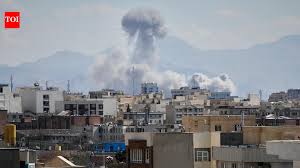
Why in News: Israel conducted strikes on Iran following Prime Minister Narendra Modi’s visit, triggering geopolitical tensions and debate over India’s diplomatic positioning in West Asia.
Key Details
Israel’s envoy stated that the strike occurred during an “operational opportunity” after PM Modi’s departure.
India and Israel recently elevated ties to a Special Strategic Partnership, signing multiple agreements.
The strikes involved advanced Israeli defence systems like Iron Beam, Arrow-3, and David’s Sling.
The episode has sparked debate within India regarding its stance on sovereignty, international law, and regional stability.
India–Israel Strategic Partnership
Evolution of Bilateral Relations (1992–Present): India established full diplomatic ties with Israel in 1992. Since then, cooperation has expanded into defence, agriculture, cybersecurity, and water management.
Special Strategic Partnership: The elevation of ties reflects deep defence collaboration, intelligence sharing, and technological cooperation, especially in missile systems and surveillance technologies.
Defence Trade Significance: Israel is among India’s top defence suppliers, contributing systems such as UAVs, radar technologies, and missile platforms, strengthening India’s security preparedness.
Balancing Diplomacy: India maintains parallel strategic engagement with Israel, Iran, and Gulf nations, reflecting a policy of multi-alignment rather than bloc politics.
West Asia Geopolitics and Security Dynamics
Israel–Iran Rivalry: The conflict stems from ideological hostility, proxy warfare, and disputes over nuclear ambitions, regional dominance, and support to armed groups.
Role of the United States: US Central Command (CENTCOM) coordination with Israel demonstrates the broader strategic alignment shaping Middle East security architecture.
Abraham Accords Context: The Abraham Accords normalised relations between Israel and certain Arab states, reshaping regional alliances and intelligence cooperation.
Risk of Regional Escalation: Military strikes raise concerns of wider conflict in West Asia, affecting global energy routes, maritime security in the Strait of Hormuz, and regional stability.
Military Technology and Strategic Preparedness
Intelligence Investment: Israel reportedly invested billions over years to enhance intelligence capabilities, reflecting the modern doctrine of pre-emptive defence.
Missile Defence Systems: Systems like Arrow-3 and David’s Sling intercept ballistic and medium-range missiles, demonstrating layered air defence architecture.
Emergence of Directed Energy Weapons: The Iron Beam laser defence system represents a shift toward cost-effective interception of drones and rockets in asymmetric warfare.
Pre-emptive Doctrine: Israel’s actions align with its long-standing doctrine of neutralising existential threats before they materialise.
India’s Foreign Policy Principles
Strategic Autonomy: India traditionally avoids taking rigid sides in conflicts, maintaining independent decision-making based on national interest.
Respect for Sovereignty: India’s foreign policy emphasises non-intervention and peaceful dispute resolution, consistent with Article 2(4) of the UN Charter.
Energy and Diaspora Concerns: Nearly 9 million Indians reside in West Asia, and the region accounts for a significant portion of India’s crude oil imports.
Balancing Moral and Strategic Interests: India faces the challenge of reconciling its historical support for international law with pragmatic security partnerships.
Domestic Political Discourse and Democratic Accountability
Parliamentary Oversight: Questions raised by opposition leaders highlight the importance of transparency and accountability in foreign policy decisions.
Democratic Debate: Public discourse reflects competing visions—moral diplomacy versus realpolitik pragmatism.
Soft Power and Global Standing: India’s aspiration to be a “voice of the Global South” requires consistent articulation of principles on sovereignty and conflict resolution.
Rules-Based International Order: India advocates multilateralism, making its response to unilateral military actions diplomatically significant.
Conclusion
India must continue pursuing a balanced West Asia policy rooted in strategic autonomy, dialogue, and multilateralism. While maintaining strong defence cooperation with Israel, India should consistently advocate peaceful resolution of disputes and respect for sovereignty. In an increasingly polarised global order, calibrated diplomacy and principled engagement will safeguard India’s strategic interests and international credibility.
EXPECTED QUESTION UPSC CSE
Prelims MCQ
- The Abraham Accords primarily relate to:
(a) Iran’s nuclear deal
(b) Normalisation agreements between Israel and certain Arab states
(c) US-Russia arms treaty
(d) OPEC oil framework
Answer:(b)
Article 2: Fertiliser Security & Strategy
Why in News: Escalating geopolitical tensions in West Asia and disruptions in global energy markets have raised concerns over fertiliser prices and India’s food security.
Key Details
India imports around 25% of its urea consumption, with nearly 40% sourced from West Asia.
Nearly 85% of natural gas used in domestic urea production is imported, largely from Gulf countries.
Retail prices of urea (₹5,922/tonne since 2012) and DAP (₹27,000/tonne since Covid period) remain administratively controlled.
Rising geopolitical risks highlight the need for a long-term fertiliser strategy, not temporary crisis management.
Import Dependence & Geopolitical Vulnerability
High Urea Import Dependence: India imports about one-fourth of its urea, exposing agriculture to international supply disruptions and price volatility.
West Asia Concentration Risk: A large share of gas and fertiliser imports originate from Qatar, UAE, Saudi Arabia, Kuwait, and Iran, making supply chains vulnerable to regional conflict.
Phosphatic & Potassic Dependence: India lacks adequate reserves of rock phosphate, potash, and sulphur, resulting in heavy dependence on countries like Russia, Belarus, Morocco, and China.
Energy–Fertiliser Linkage: Natural gas is the key feedstock for urea production; fluctuations in gas prices directly raise fertiliser costs and subsidy burden.
Past Precedents: During the Russia–Ukraine conflict (2022), global fertiliser prices surged sharply, significantly increasing India’s fertiliser subsidy bill.
Fertiliser Pricing Policy & Subsidy Structure
Price Controls on Urea: The retail price of urea has remained fixed at ₹5,922 per tonne since 2012, insulating farmers from global price shocks.
Nutrient Based Subsidy (NBS) Scheme: While phosphatic and potassic fertilisers fall under NBS, urea remains outside it, creating price distortions in fertiliser usage.
Rising Consumption Trends: Urea sales increased from under 30 million tonnes (2017–18) to nearly 40 million tonnes projected recently, reflecting overuse due to low prices.
Subsidy Burden: Fertiliser subsidy has crossed ₹2 lakh crore in recent years during global price spikes, impacting fiscal stability.
Underpricing & Imbalance: Cheap urea leads to nitrogen-heavy fertilisation, disturbing the ideal N:P:K ratio (recommended 4:2:1 but skewed in practice).
Impact on Food Security & Agricultural Sustainability
Input Cost Stability vs Fiscal Risk: Subsidies protect farmers and food security but strain public finances during global shocks.
Soil Health Concerns: Excessive nitrogen use reduces soil fertility, increases greenhouse gas emissions (N₂O), and lowers long-term productivity.
Climate & Geopolitics Dual Risk: Indian agriculture now faces risks from both climate change and global supply disruptions, making resilience critical.
Yield Dependency on Fertilisers: The Green Revolution boosted output using chemical fertilisers, but current overuse calls for efficiency, not expansion.
Need for Strategic Reform
Consumption Capping: Rationalising fertiliser usage through limits and balanced application can prevent overuse and reduce imports.
Direct Benefit Transfer (DBT) Reform: Shifting from product-based subsidy to per-acre or per-farmer income support could ensure efficient nutrient use.
Promotion of Nano & Specialty Fertilisers: Encouraging nano-urea, drip irrigation, and foliar application enhances nutrient-use efficiency and reduces wastage.
Agri Stack Integration: Linking digital farmer IDs with land records and cropping data can enable targeted subsidy delivery and monitoring.
Diversification of Import Sources: Securing long-term supply agreements and investing in overseas mineral assets can enhance fertiliser security.
Conclusion
India must transition from reactive subsidy management to a comprehensive fertiliser security strategy. This includes diversifying supply chains, promoting balanced nutrient use, reforming subsidy architecture, strengthening soil health programmes, and leveraging digital agriculture platforms like Agri Stack. Ensuring fertiliser resilience is essential for safeguarding food security, fiscal prudence, and sustainable agricultural growth.
EXPECTED QUESTION FOR UPSC CSE
Prelims MCQ
Which of the following fertilisers is not covered under the Nutrient Based Subsidy (NBS) scheme?
(a) Urea
(b) DAP
(c) MOP
(d) Complex fertilisers
Answer: (a)
Article 3: Coal Block Operational Delays
Why in News: RTI data reveals that only 55 out of 98 coal blocks scheduled to be operational by 2025-end are producing coal, highlighting execution bottlenecks in India’s energy expansion strategy.
Key Details
Since 2015, 209 coal blocks have been auctioned or allotted; 98 were to be operational by 2025-end, but only 55 are producing.
Coal accounts for 54% of India’s primary energy supply and nearly 75% of electricity generation.
Domestic coal production reached a record 1,047.52 million tonnes (2024–25), yet imports remain high at 243.62 million tonnes.
Environmental clearances, land acquisition, and techno-commercial issues are major causes of delays.
Coal in India’s Energy Mix
Dominance in Power Generation: Coal contributes nearly three-fourths of electricity generation, making it the backbone of India’s energy security and industrial growth.
Primary Energy Source: Around 54% of India’s total primary energy supply is coal-based, reflecting structural dependence despite renewable expansion.
Rising Demand Projections: A NITI Aayog study projects coal demand will more than double from 2025 levels over the next 25 years, before stabilising.
Import Dependence Despite Growth: Even with record production exceeding 1,047 MT, imports remain significant, showing a gap between domestic output and demand.
Coal Sector Reforms: Policy Framework
Coal Mines (Special Provisions) Act, 2015: Enacted after the Supreme Court cancelled 204 coal block allocations (2014), it introduced transparent auction mechanisms.
MMDR Act, 1957 (Amended): Governs mineral regulation in India, providing the legal foundation for allocation, licensing, and revenue sharing.
Commercial Coal Mining (2020 Reform): A landmark reform allowing private sector participation without end-use restrictions, ending the captive mining regime.
Accelerated Auctions: Over 200 coal blocks auctioned in the last decade to boost production and reduce import dependency.
Operational Delays: Execution Bottlenecks
Missed Timelines: Of 98 scheduled blocks, 31 failed to meet deadlines, with delays ranging from six months to over seven years.
Environmental & Forest Clearances: The most cited reason for delay; compensatory afforestation land availability remains a key bottleneck.
Land Acquisition Challenges: Private players face hurdles under the Coal Bearing Areas (Acquisition and Development) Act, limiting faster operationalisation.
Administrative Delays: Pending mining plan approvals and delays in appointing Mine Developer and Operator (MDO) slow project commencement.
Coking Coal: Strategic Vulnerability
Steel Sector Dependence: Around 95% of coking coal demand for steel is met through imports, mainly from Australia.
Rising Imports: Coking coal imports increased from 51.20 MT (2020–21) to 57.58 MT (2024–25).
Untapped Domestic Reserves: India has estimated coking coal resources of 37.37 billion tonnes, yet none of the recently auctioned blocks are producing.
Critical Mineral Tag (2025): The government notified coking coal as a critical mineral to prioritise its development and reduce strategic vulnerability.
Surrendered Blocks & Commercial Viability Issues
35 Blocks Surrendered (2015–2025): Many cited “techno-commercial unviability” due to aggressive bidding.
Aggressive Auction Strategy: Early auctions saw high bid premiums, later making mining financially unviable.
Re-auctioning Trend: Some surrendered blocks have been re-auctioned, indicating structural issues in pricing and feasibility assessment.
Investment Uncertainty: Policy stability, price volatility, and infrastructure gaps affect investor confidence.
Energy Security vs Climate Commitments
Energy Transition Dilemma: While India expands renewables, coal remains essential for baseload power stability.
Net Zero Target (2070): India aims for net-zero emissions by 2070, yet coal demand remains high in the medium term.
Just Transition Challenge: Balancing employment, energy access, and decarbonisation requires calibrated coal sector reform.
Global Supply Chain Risks: Heavy import reliance exposes India to geopolitical and price volatility risks.
Conclusion
India must shift from aggressive allocation to efficient operationalisation. Faster environmental clearances with ecological safeguards, rational bidding frameworks, improved land acquisition mechanisms, and technological upgrades are essential. Strategic focus on domestic coking coal, combined with renewable expansion, will strengthen energy security. A balanced approach aligning coal sector reforms with climate commitments is necessary for sustainable growth.
