

11 April 2026 Indian Express Editorial
What to Read in Indian Express Editorial ( Topic and Syllabus wise)
Article 1: Constitutional Morality & Judiciary
Why in News: The debate on “constitutional morality” vs “societal morality” has resurfaced in judicial discourse, particularly in cases like Sabarimala and Navtej Singh Johar, raising concerns about constitutional values and judicial functioning.
Key Details
Constitutional morality is increasingly debated in Supreme Court judgments and legal discourse.
It has been invoked in landmark cases such as Sabarimala (2018) and Navtej Singh Johar (2018).
Critics argue it is vague, while supporters see it as a guiding constitutional principle.
The debate reflects concerns about judicial overreach, arbitrariness, and weakening constitutional values.
Constitutional Morality – Meaning & Origin
Concept by B.R. Ambedkar: Constitutional morality refers to adherence to constitutional values, procedures, and spirit, not merely the text. Ambedkar emphasised it as essential for sustaining democracy in a diverse society.
Core Elements: It includes rule of law, respect for institutions, individual liberty, equality, and fraternity, forming the ethical foundation of constitutional governance.
Not a Strict Legal Standard: It is not a rigid judicial test but a normative guiding principle, shaping interpretation and ensuring decisions align with constitutional ideals.
Relevance in Democracy: In a plural society like India, constitutional morality ensures minority rights are protected against majoritarian pressures.
Constitutional Morality vs Societal Morality
Constitutional Morality: Based on universal principles of justice, equality, and liberty, it evolves through legal reasoning and constitutional interpretation.
Societal Morality: Derived from traditions, customs, and social norms, which may sometimes be exclusionary or discriminatory.
Conflict in Practice: In cases like Sabarimala, societal practices were challenged against constitutional guarantees of equality and dignity.
Judicial Application & Key Case Laws
Sabarimala Case (2018): The Supreme Court allowed entry of women of all ages, prioritising gender equality over religious customs.
Navtej Singh Johar Case (2018): Decriminalisation of homosexuality upheld individual dignity, privacy, and equality, rejecting societal stigma.
Shayara Bano Case (Triple Talaq): The Court invalidated instant triple talaq, reinforcing gender justice and constitutional supremacy.
Significance: These cases show how constitutional morality helps courts balance rights, traditions, and institutional autonomy.
Criticism of Constitutional Morality
Vagueness & Indeterminacy: Critics argue the term lacks precise definition, making it prone to subjective judicial interpretation.
Judicial Overreach: Excessive reliance may lead courts to override legislative intent, raising concerns about separation of powers.
Conflict with Democracy: Some view it as a top-down imposition, undermining societal consensus and democratic processes.
Challenges in Judicial Functioning
Perceived Arbitrariness: Inconsistent reasoning and outcomes can weaken predictability and credibility of the judiciary.
Procedural Concerns: Issues such as delays, selective hearings, and lack of transparency affect rule of law and public trust.
Recent Concerns: Criticism over handling of issues like voter disenfranchisement and institutional sensitivity highlights judicial accountability concerns.
Impact: Weakening of judicial discipline can erode constitutional morality itself, creating institutional imbalance.
Role of Constitutional Morality as a Diagnostic Tool
Evaluating State Actions: It helps assess whether laws and policies align with fundamental rights and constitutional values.
Checking Arbitrary Power: Acts as a safeguard against abuse of authority by legislature, executive, or judiciary.
Promoting Reasoned Decisions: Encourages courts to base judgments on logic, fairness, and constitutional principles, not popular sentiment.
Strengthening Democracy: It ensures governance remains rights-based, inclusive, and accountable.
Way Forward
Clear Judicial Standards: Courts should develop structured principles for applying constitutional morality to reduce arbitrariness and enhance consistency.
Balance between Activism and Restraint: Judiciary must maintain equilibrium between protecting rights and respecting legislative domain.
Strengthening Constitutional Culture: Civic education, awareness, and institutional integrity are needed to promote constitutional values in society.
Institutional Accountability: Transparency in judicial processes and adherence to procedural discipline can reinforce public trust and legitimacy.
Conclusion
Constitutional morality remains a vital guiding principle for Indian democracy. While it may not provide definitive answers, it directs institutions toward justice, equality, and reasoned governance. Republics thrive not merely on legal texts but on the ethical commitment of institutions and citizens to constitutional values. Safeguarding constitutional morality is essential to prevent arbitrariness and sustain India’s democratic framework.
EXPECTED QUESTIONS FOR UPSC CSE
Prelims MCQ
Constitutional morality primarily refers to:
(a) Social customs and traditions
(b) Adherence to constitutional values and principles
(c) Parliamentary supremacy
(d) Judicial supremacy
Answer: (b)
Descriptive Question
- “Constitutional morality acts as a safeguard against majoritarianism in India.” Discuss with examples. (150 Words, 10 Marks)
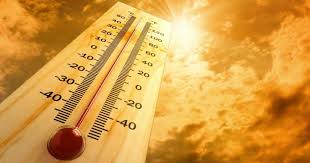
Article 2: Heat Stress & Climate Adaptation
Why in News: A recent study in Nature Communications suggests that human tolerance to heat stress (wet-bulb temperature) may be lower than previously estimated, raising concerns for countries like India.
Key Details
Heat stress depends on temperature + humidity, not just dry temperature.
Traditional threshold of 35°C wet-bulb temperature is being reconsidered; 31°C may be dangerous for vulnerable groups.
Indian cities increasingly face urban heat islands and high heat index values.
Existing Heat Action Plans (HAPs) are often inadequate and not aligned with humidity-based risks.
Wet-Bulb Temperature & Heat Stress
Concept of Wet-Bulb Temperature: It measures combined heat and humidity, indicating the lowest temperature achievable through evaporation. It directly reflects human cooling capacity via sweating.
Human Thermoregulation Limits: The human body maintains ~37°C through sweating, but high humidity reduces evaporation, leading to heat exhaustion or heat stroke.
Revised Threshold (31°C vs 35°C): Earlier, 35°C was considered the survival limit; new studies indicate 31°C can be critical, especially for elderly and outdoor workers.
Heat Index vs Dry Temperature: A temperature of 35°C with high humidity can feel like 45–50°C, making heat index a better indicator of risk than ambient temperature.
India’s Heat Vulnerability
Geographical Exposure: India lies in the tropical and subtropical belt, making it highly vulnerable to extreme heat waves, especially in northern and central regions.
Urban Heat Islands (UHI): Cities like Delhi, Ahmedabad, and Mumbai experience 2–5°C higher temperatures due to concrete structures, reduced vegetation, and pollution.
Case Study – Navi Mumbai Tragedy: In 2023, 13 deaths due to heatstroke occurred at ~35°C, highlighting that humidity and exposure duration matter more than temperature alone.
Night-time Heat Stress: Urban areas fail to cool at night due to heat retention, leading to chronic exposure and increased mortality risk.
Socio-Economic Dimensions of Heat Crisis
Vulnerable Populations: Outdoor workers such as construction labourers, farmers, street vendors, and gig workers face direct exposure without adequate protection.
Inequality in Adaptive Capacity: Poor households lack access to cooling devices, ventilation, and healthcare, making them disproportionately vulnerable.
Occupational Hazard: Heat stress reduces productivity and increases health risks, affecting sectors like agriculture and construction, contributing to economic losses.
Gendered Impact: Women, especially in rural areas, face additional burden of water collection and household work, increasing exposure to extreme heat.
Urban Planning & Environmental Factors
Concrete-Dominated Infrastructure: Rapid urbanisation has replaced green spaces with heat-absorbing materials, intensifying local temperatures.
Decline in Green Cover: Trees provide shade and evapotranspiration cooling, but deforestation and poor urban planning reduce this natural buffer.
Poor Ventilation & Housing Design: Informal settlements often lack proper airflow, increasing indoor heat stress, even during nights.
Climate Change Linkage: Rising global temperatures (≈1.1°C above pre-industrial levels) have increased frequency, intensity, and duration of heatwaves.
Policy Response & Gaps
Heat Action Plans (HAPs): Cities like Ahmedabad pioneered HAPs, focusing on early warning systems, public awareness, and emergency response.
Dry Heat Bias: Most HAPs rely on temperature thresholds, ignoring humidity, thus underestimating real risk.
Lack of Localisation: Plans are often generic, not tailored to city-specific climate, demographics, and infrastructure.
Implementation Challenges: Weak coordination, limited funding, and lack of data reduce the effectiveness of HAPs across states.
Global & Institutional Frameworks
IPCC Reports: Highlight increasing heat extremes and recommend adaptation strategies for urban resilience.
National Disaster Management Authority (NDMA): Provides guidelines for heatwave management, but needs updating to include wet-bulb metrics.
SDG Linkages: Heat crisis impacts SDG 3 (Health), SDG 11 (Sustainable Cities), and SDG 13 (Climate Action).
Global Best Practices: Cities like Paris and New York use cool roofs, heat shelters, and real-time heat alerts.
Way Forward
Adopt Wet-Bulb Based Metrics: India should revise heat thresholds to include temperature-humidity indices for accurate risk assessment.
Strengthen Heat Action Plans: Develop city-specific, data-driven HAPs integrating local climate, vulnerable populations, and infrastructure gaps.
Climate-Resilient Urban Planning: Promote green roofs, urban forests, reflective materials, and water bodies to reduce urban heat islands.
Protect Vulnerable Workers: Introduce heat-safe labour policies, flexible work hours, hydration breaks, and occupational safety norms.
Public Awareness & Early Warning: Use digital platforms and local governance to disseminate heat advisories and health precautions effectively.
Conclusion
The emerging understanding of heat stress marks a paradigm shift from viewing temperature in isolation to recognising the combined impact of heat and humidity. For India, this is not merely a climatic issue but a public health, economic, and social justice challenge. Addressing it requires scientific recalibration, policy innovation, and inclusive governance to ensure that the republic protects its most vulnerable citizens in an era of climate uncertainty.
EXPECTED QUESTIONS FOR UPSC CSE
Prelims MCQ
- Wet-bulb temperature is a measure of:
(a) Atmospheric pressure
(b) Combined effect of temperature and humidity
(c) Wind speed variation
(d) Solar radiation intensity
Answer:(b)
Descriptive Question
- Evaluate the effectiveness of Heat Action Plans in India. Suggest measures to make them more climate-responsive and inclusive. (250 Words, 15 Marks)
Article 3: Financial Markets & Investment Flows
Why in News: Equity mutual fund inflows in India reached an 8-month high in March 2026, even as global tensions and market volatility triggered large outflows from debt funds.
Key Details
Equity mutual funds recorded ₹40,450 crore inflows, up 56% month-on-month (AMFI data).
Debt mutual funds saw massive outflows of ₹2.95 lakh crore, largely due to quarter-end adjustments.
SIP contributions hit a record ₹32,087 crore, indicating strong retail investor participation.
Market volatility due to West Asia conflict and crude oil surge impacted overall AUM and sentiment.
Mutual Funds & Financial Market Structure (Static Concept)
Role of Mutual Funds in Economy: Mutual funds pool savings and invest in diversified assets, acting as key intermediaries between households and capital markets. In India, they are regulated by SEBI.
Types of Mutual Funds: Equity funds invest in stocks, debt funds in fixed-income securities, and hybrid funds combine both, catering to varying risk-return preferences.
Importance for Capital Formation: Mutual funds channel savings into productive sectors, supporting corporate financing and economic growth, especially in emerging economies like India.
Investor Base Expansion: Growth of SIPs and digital platforms has widened retail participation, making mutual funds a preferred investment avenue over traditional savings.
Surge in Equity Mutual Fund Inflows
Record Inflows in March 2026: Equity funds saw inflows of ₹40,450 crore, the highest since July 2025, indicating renewed investor confidence despite market volatility.
Dominance of Flexi-Cap Funds: Flexi-cap funds attracted over ₹10,000 crore, highlighting investor preference for diversification across market capitalisations.
Mid & Small Cap Resilience: Inflows into mid-cap and small-cap funds rose by 51% and 61%, reflecting value buying during market corrections.
Retail Investor Confidence: Sustained SIP inflows show long-term confidence, even when short-term sentiment remains weak due to external shocks.
Debt Fund Outflows & Market Dynamics
Large-Scale Redemptions: Debt funds recorded ₹2.95 lakh crore outflows, mainly due to institutional withdrawals at the financial year-end.
Quarter-End Phenomenon: Corporates often withdraw funds for balance sheet adjustments, making March outflows a recurring seasonal trend rather than panic selling.
Impact on Liquidity: Such outflows can temporarily affect liquidity in bond markets, influencing interest rates and yields.
Shift in Investor Preference: Investors tend to shift from debt to equity during growth optimism phases, reflecting cyclical asset allocation.
Impact of Global Geopolitics on Markets
West Asia Conflict & Oil Prices: Rising tensions led to crude oil prices touching around $115 per barrel, negatively affecting investor sentiment in import-dependent India.
Equity Market Correction: The benchmark indices like Sensex fell by over 11% in March, reflecting global uncertainty and capital outflows.
Foreign Institutional Investors (FIIs): FIIs initially pulled out large funds but later slowed selling, indicating gradual stabilisation.
Ceasefire Impact: A temporary ceasefire between major powers reduced volatility, leading to a 6% weekly market recovery.
Role of Domestic Investors & SIP Culture
Rise of SIPs: SIP contributions reached a record ₹32,087 crore, showing disciplined investment behaviour among retail investors.
Domestic Institutional Strength: Domestic investors invested over ₹35,000 crore, offsetting FII outflows and stabilising markets.
Financialisation of Savings: Shift from gold and real estate to financial assets indicates increasing financial literacy and formalisation.
Counter-Cyclical Investment Behaviour: Retail investors are increasingly investing during downturns, supporting market resilience.
ETF Trends & Changing Investment Patterns
Gold ETF Moderation: Inflows into gold ETFs declined from ₹24,000 crore (January peak) to ₹2,266 crore, reflecting reduced safe-haven demand.
Shift Towards Equity ETFs: Equity ETFs and index funds saw sharp inflows, indicating a preference for low-cost passive investing.
Silver ETF Outflows: Continued outflows suggest volatility in commodity-based investments.
Diversification Strategy: Investors are balancing portfolios across equities, ETFs, and commodities to manage risk.
Macroeconomic Linkages & Policy Perspective
Impact on Indian Economy: Strong equity inflows support capital markets and investment climate, aiding economic growth.
Oil Price Sensitivity: High crude prices worsen current account deficit and inflation, influencing RBI’s monetary policy stance.
Regulatory Framework: SEBI and AMFI ensure transparency, investor protection, and market stability.
Global Integration: Indian markets are increasingly linked with global developments, making them sensitive to geopolitical and financial shocks.
Way Forward
Strengthening Financial Literacy: Expanding awareness about mutual funds and risk management will ensure informed retail participation.
Promoting Long-Term Investments: Encouraging SIP-based investments can stabilise markets and reduce speculative volatility.
Diversification of Investment Portfolios: Investors should balance equity, debt, and alternative assets to mitigate risks during global uncertainties.
Enhancing Regulatory Oversight: Continuous monitoring by SEBI can ensure transparency, investor protection, and systemic stability.
Reducing External Vulnerabilities: Policies to reduce dependence on crude oil and external shocks will strengthen market resilience.
Conclusion
The recent surge in equity mutual fund inflows reflects growing confidence in India’s financial markets despite global uncertainties. The contrasting trend of debt outflows highlights cyclical investment behaviour rather than structural weakness. Strengthening domestic investor participation and maintaining macroeconomic stability will be crucial for sustaining long-term growth and resilience in India’s capital markets.
EXPECTED QUESTIONS FOR UPSC CSE
Prelims MCQ
- Consider the following statements regarding mutual funds:
They are regulated by SEBI.
SIPs allow periodic investment in mutual funds.
Debt funds invest only in equity shares.
Which of the above are correct?
1 and 2 only
2 and 3 only
1 and 3 only
1, 2 and 3
Answer: 1 and 2 only
Descriptive Question
- Discuss the role of mutual funds in the financialisation of savings in India. How do global factors influence their performance? (150 Words, 10 Marks)
