

18 February 2026 Indian Express Editorial
What to Read in Indian Express Editorial ( Topic and Syllabus wise)
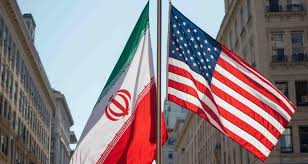
Article 1: Iran–US Nuclear Talks and Strait of Hormuz Tensions
Why in News: Iran briefly announced closure of the Strait of Hormuz amid renewed indirect nuclear talks with the United States in Geneva.
Key Details
Iran and the US held indirect negotiations in Geneva and agreed on broad “guiding principles” for future talks.
Iran reportedly announced a temporary closure of the Strait of Hormuz, a route carrying about 20% of global oil trade.
The talks are being mediated by Oman and focus mainly on Iran’s nuclear programme and sanctions relief.
The development has raised concerns over global energy security and regional stability in West Asia.
Strait of Hormuz: Strategic Importance
Global Energy Lifeline: The Strait of Hormuz connects the Persian Gulf with the Gulf of Oman and carries roughly one-fifth of the world’s oil trade, making it one of the most critical maritime chokepoints.
Key Export Route for Gulf Producers: Major oil exporters such as Saudi Arabia, Iraq, UAE, Kuwait, and Iran depend heavily on this narrow passage for crude shipments to Asia and Europe.
Geographical Vulnerability: At its narrowest, the strait is about 33 km wide, with limited shipping lanes, making it highly susceptible to blockades, military tension, or accidents.
Impact on Global Prices: Even the perception of disruption in Hormuz typically leads to sharp spikes in global crude prices, affecting inflation and trade balances worldwide.
Background of Iran–US Nuclear Dispute
Origins of the Dispute: Concerns over Iran’s nuclear programme date back to the early 2000s, with Western countries suspecting potential weaponisation, which Iran denies.
2015 Nuclear Deal (JCPOA): Under the Joint Comprehensive Plan of Action (JCPOA), Iran agreed to limit uranium enrichment in return for sanctions relief.
US Withdrawal (2018): The United States unilaterally exited the deal and re-imposed sanctions, leading Iran to gradually scale back its compliance.
Current Negotiation Phase: The Geneva talks indicate a renewed diplomatic attempt to reach a “sustainable” nuclear understanding, though major differences remain.
Iran’s Strategic Signalling through Hormuz
Deterrence Posture: The temporary closure announcement is widely viewed as strategic signalling by Iran to demonstrate its leverage over global energy routes.
Response to US Pressure: The move came amid US military deployments in West Asia and strong rhetoric, indicating rising geopolitical friction.
Negotiation Leverage: By highlighting its ability to disrupt oil flows, Iran seeks bargaining power in nuclear negotiations and sanctions discussions.
Historical Precedent: Iran has repeatedly threatened to close Hormuz during past tensions but has rarely taken formal steps, making the current signal significant.
Role of External Actors and Mediation
Oman as Mediator: Oman has historically played a quiet diplomatic role in Iran–US backchannel talks due to its balanced relations with both sides.
US Strategic Concerns: The US seeks not only nuclear limits but also curbs on Iran’s missile programme and regional activities, which Iran currently rejects.
Regional Stakeholders: Gulf countries closely monitor developments because any disruption directly affects their export revenues and security environment.
Global Powers’ Interest: The European Union and major importers such as China and India favour de-escalation to maintain stable energy supplies.
Implications for India
Energy Security Risks: India imports nearly 85% of its crude oil, and a significant share passes through the Strait of Hormuz, making disruptions a major concern.
Inflationary Pressures: Any sustained spike in oil prices can widen India’s current account deficit and fuel domestic inflation.
Strategic Balancing: India maintains relations with both Iran and the US, requiring careful diplomatic balancing amid tensions.
Connectivity Interests: Projects like Chabahar Port give India strategic stakes in Iran and Central Asian access, linking geopolitical stability to economic interests.
Broader Global Economic and Security Impact
Energy Market Volatility: Even temporary tensions in Hormuz create uncertainty in global oil markets, affecting shipping insurance and freight costs.
Maritime Security Concerns: Increased military presence in the Gulf raises risks of miscalculation, accidental escalation, or disruption of commercial shipping.
Geopolitical Polarisation: Continued confrontation could deepen divisions between Western powers and Iran-aligned regional actors.
Nuclear Non-Proliferation Stakes: The outcome of talks will influence the credibility of global nuclear governance frameworks.
Conclusion
The reported progress in Iran–US talks offers a limited diplomatic opening, but the Strait of Hormuz episode underscores the fragility of West Asian stability. A durable solution requires sustained diplomacy, respect for international maritime norms, and revival of a credible nuclear agreement. For India and the global economy, de-escalation in the Gulf remains essential to ensure energy security and macroeconomic stability.
EXPECTED QUESTION FOR UPSC CSE
Prelims MCQ
- The Strait of Hormuz connects:
(a) Red Sea and Mediterranean Sea
(b) Persian Gulf and Gulf of Oman
(c) Arabian Sea and Red Sea
(d) Gulf of Aden and Arabian Sea
Answer:(b)
