

19 January 2026 Indian Express Editorial
What to Read in The Indian Express ( Topic and Syllabus wise)
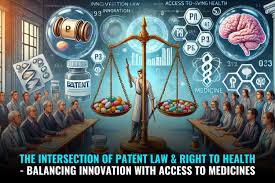
Editorial 1 : Patent Rights and Public Health: Balancing Innovation, Access, and Sovereignty
Context
Patent rights, as defined under the Indian Patents Act, grant innovators exclusive control over the use of their inventions for a limited period. This legal protection aims to incentivise research and development by granting commercial benefits to patent holders. However, when patents relate to life-saving medicines and critical healthcare technologies, tensions arise between safeguarding intellectual property and ensuring affordable access to essential health services for the population.
India’s longstanding role as the “pharmacy” of the Global South—supplying affordable generic medicines domestically and globally—makes this tension particularly acute.
India’s patent regime in the wider context of public health needs, global pharmaceutical supply chains, and geopolitical pressures that seek to influence domestic patent policy.
Core Legal Frameworks
India’s Patents Act incorporates several provisions that allow the state to intervene where public interest is at stake:
Section 47(4): Allows the government to import a patented drug without the patent holder’s consent for its own use or for use in public health institutions. Government can extend this to qualified non-governmental organisations operating in public health.
Section 66: Empowers the central government to revoke a patent in the public interest after due process, especially where the patent’s exercise is “mischievous to the State or generally prejudicial to the public.”
Section 92A: Provides ground to issue compulsory licences for manufacturing patented drugs—potentially for export to countries with limited manufacturing capacities, such as African nations.
Section 102: Enables the government to acquire patent rights outright for public purposes through gazette notification, with compensation to the patent holder.
Beyond patent law, competition law (under the Competition Act, 2002) also offers mechanisms to curb abuse of dominant market position by pharmaceutical firms, ensuring they do not exploit monopoly rights to the detriment of public health.
Public Health Imperatives and Patent Flexibilities
The primary challenge explored is ensuring access to affordable essential medicines while still maintaining a patent system that encourages innovation. High costs of patented drugs frequently place them beyond the reach of low-income patients—a dilemma not unique to India but pervasive in many developing economies.
The compulsory licences can be a strategic tool to overcome this barrier. Under World Trade Organization rules (particularly the TRIPS Agreement), countries may issue compulsory licences when patented products are unaffordable or not sufficiently available. India’s legal provisions, therefore, align with international norms and offer legislative space to protect public health without violating trade commitments.
Export for Global Public Good
An important dimension lies in the export of medicines manufactured under compulsory licences to countries that lack robust pharmaceutical manufacturing capacity—primarily in Africa. By leveraging Section 92A and similar legal mechanisms, India could supply critical medicines abroad, supporting global health security and reinforcing its soft power.
This would require a careful balance: ensuring fair compensation to the patent owner, complying with international obligations, and mitigating potential trade retaliations from pharmaceutical lobbies in developed markets.
Innovation vs Access: Navigating Competing Imperatives
While safeguarding public health is paramount, the article argues that undermining patent protections inadvertently risks dampening innovation.
Pharmaceutical research is cost-intensive; without adequate intellectual property security, private investment may decline, particularly in cutting-edge therapies such as biologics and precision medicines.
The patent rights should not become blanket monopolies, especially when they hinder access to essential drugs. The alternatives—such as tiered pricing, patent pools, voluntary licensing, and public-private partnerships—can create middle paths that ensure affordability without undermining innovation incentives.
Challenges and International Pressures
Patent debates are not purely domestic. Global pharmaceutical giants and some developed economies often exert pressure through trade agreements and diplomatic channels to strengthen patent protections. These pressures can lead to stricter IP regimes that favour corporations at the expense of public health, especially in low-and middle-income countries.
The editorial underscores the need for India to resist one-sided IP policy pushes that do not account for public health realities. Leveraging domestic legal tools—such as compulsory licensing and government use provisions—can act as counterweights, provided they are applied judiciously and transparently.
Significance for Indian Public Health
India’s approach to patent rights has significant implications:
Affordable Healthcare: Ensuring cheaper access to essential medicines for millions.
Global Leadership: Reinforcing India’s role as a key supplier of affordable generics in global markets.
Policy Autonomy: Demonstrating sovereign capacity to tailor IP laws to national priorities.
Innovation Ecosystem: Balancing protections to foster both local and global R&D investments.
Conclusion and Way Forward
The editorial concludes that India’s existing legal framework offers robust tools to reconcile patent rights with public health imperatives—but these tools must be employed wisely. Policymakers need to strengthen institutional capacities to implement compulsory licences when justified, build consensus among stakeholders, and ensure transparent mechanisms for fair compensation.
In the international arena, India should advocate for flexible IP norms that prioritise public health, particularly in global forums like the WTO. At home, complementary policies—strengthening domestic manufacturing, scaling up research capabilities, and incentivising innovation in affordable medicines—are crucial to sustain both health outcomes and scientific advancements.
The ultimate objective is a patent system that encourages innovation without sacrificing equity in access to life-saving medicines.
Editorial 2 : India’s Record Rice Output: Agricultural Triumph and Policy Implications
Context
India’s rice production has reached unprecedented levels, firmly positioning the country as the world’s largest rice producer, surpassing China’s output of approximately 145.28 million tonnes with its own figure of around 150.18 million tonnes in 2024-25. This milestone reflects long-term growth in agricultural productivity and signals a transformation in India’s role in global food supply chains.
Rice is the staple food for a large part of the Indian population and occupies the largest cultivated area among cereals in the country. Improvements in agronomy, irrigation, seed technology, and government support mechanisms have all contributed to near‑continuous increases in yield and production.
Driving Factors Behind Record Output
Several critical factors underpin this record production:
Favourable Monsoons: Adequate and well‑distributed rains during the 2024 monsoon season created ideal conditions for paddy cultivation across major rice‑growing states such as West Bengal, Uttar Pradesh, Bihar, Punjab and Andhra Pradesh.
Expanded Cultivation Area: The area under rice cultivation has grown in recent years, reflecting both market signals and institutional support, including assured government procurement at Minimum Support Prices.
High-Yielding Varieties: The release and adoption of improved seed varieties—part of a broader effort involving the Indian Council of Agricultural Research (ICAR) and state agricultural universities—have significantly raised per hectare output. During the same event that announced India’s production milestone, 184 new crop varieties across 25 crops were released, including many rice varieties, boosting future productivity.
Technology and Mechanisation: Increased mechanisation of farming operations, better access to fertilisers and pesticides, and improved irrigation infrastructure have enhanced yields and quality.
Economic and Policy Significance
Food Security and Domestic Stability
Achieving record rice production strengthens India’s food security architecture. Large production coupled with government procurement ensures stable buffer stocks, which are essential for running public distribution programs like the National Food Security Act—providing subsidised food grains to vulnerable populations.
Export Competitiveness and Global Impact
India is not only the largest rice producer but also the leading exporter, often accounting for a significant share of global shipments. Recent data shows India’s rice exports rebounding sharply after the removal of export curbs, surging by approximately 19.4% to around 21.55 million tonnes in 2025—near its second‑highest level on record.
Export growth is crucial for balancing domestic stocks and generating valuable foreign exchange. Competitive pricing and abundant supplies have enabled India to reclaim market share in key markets across Asia and Africa, benefiting importers with lower food costs.
Challenges from Surplus and Market Dynamics
Despite the positive output figures, surplus production has triggered new challenges:
Excess Stocks: Government granaries have accumulated large rice reserves, far exceeding buffer norms. Such stockpiles strain storage infrastructure and bear financial costs.
Price Pressures: Surplus supply has contributed to softer domestic and international rice prices, squeezing farmer incomes unless managed through sales, exports, or alternative uses like ethanol production.
Policy Responses to Manage Surplus
To address surplus and maintain agricultural sustainability, several policy responses have emerged:
Export Policy Adjustments: After a period of export restrictions to protect domestic supplies, the government lifted all curbs, allowing free shipment and enabling exporters to pursue global markets more vigorously.
Ethanol Production Integration: India has begun diverting rice stocks to support its ethanol blending programme. Record rice volumes have been allocated for ethanol production, helping reduce storage burdens while supporting renewable fuel targets.
Procurement and MSP Adjustments: Enhanced procurement operations at the Minimum Support Price continue to provide a safety net for farmers, even as the government adjusts procurement strategies to prevent unsustainable stock buildup.
Rural Livelihoods and Farm Economics
Record output has important implications for the rural economy:
Improved Farmer Incomes: Higher yields and assured procurement enhance farm incomes, provided market mechanisms allow farmers to realise fair prices.
Rural Development: Increased agricultural activity stimulates rural employment in allied sectors such as transportation, storage, processing, and export logistics.
However, surplus output can lead to depressed farm-gate prices if demand does not keep pace—necessitating strategic interventions to stabilise income streams and diversify rural economies.
Environmental and Sustainability Considerations
Intensive rice cultivation has environmental implications, particularly water usage and methane emissions from flooded paddy fields. While high yields support food security, they require balanced water management strategies, including promoting water‑saving practices and crop diversification to ensure long‑term sustainability.
Conclusion and Suggestions
India’s record rice output marks an agricultural success story, reflecting decades of policy support, scientific innovation, and resilient farm practices. It consolidates the country’s leadership in global food production and strengthens food security at home.
To sustain this momentum while addressing emerging challenges, policy focus must include:
Market Diversification: Expanding export markets and value-added rice products to absorb surplus and enhance farmer returns.
Ethanol Utilisation: Scaling rice-to-ethanol linkages to further reduce buffer stocks responsibly.
Sustainable Farming: Promoting practices that conserve water and soil health without compromising productivity.
Price Stability Mechanisms: Ensuring farmers are protected from volatile price cycles through insurance, MSP calibration, and demand forecasting.
By balancing production excellence with economic viability and environmental stewardship, India can continue to lead in rice cultivation while enhancing rural prosperity and contributing to global food systems.
