
29 November 2025 Indian Express Editorial
What to Read in Indian Express Editorial( Topic and Syllabus wise)
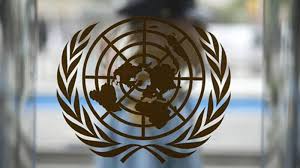
Editorial 1 : UN revival, Multilateralism
Context:
UN’s declining effectiveness amid global crises and India’s opportunity to revive multilateralism and global governance.
Introduction:
Decline in the relevance and effectiveness of the United Nations (UN) in addressing global crises. While the UN was once respected as a moral and diplomatic authority under Secretaries-General like U Thant (1961–1971), it is now weakened by nationalism, power politics, and bureaucratic inefficiency. The editorial draws parallels between U Thant’s principled leadership and India’s current role in global multilateral forums, emphasizing the need to restore the UN’s focus on peace, development, and global public goods.
Key Analysis:
- Decline of UN Effectiveness:
- UN is “gridlocked in dysfunction” amid polycrises such as Ukraine, Gaza, climate change, inequality, terrorism, and arms races.
- Security Council bias, selective interventions, veto powers, and chronic underfunding have undermined UN action.
- Role of U Thant:
- First Asian Secretary-General; his tenure marked by moral leadership and discretion.
- Mediated the Cuban Missile Crisis, opposed apartheid, questioned US actions in Vietnam, and strengthened UN development architecture (UNCTAD, UNDP, UNITAR).
- Advocated holistic approach linking peace, development, and environment.
- Trinity of Multilateral Responsibility:
- Secretariat:Must exercise independence, initiative, and moral authority.
- Member States:Should support UN as custodian of global public goods rather than pursue narrow national interests.
- We the People:Civil society, media, academia, youth, and private sector must engage actively to sustain moral legitimacy.
- India’s Role:
- U Thant’s principles of non-alignment, sovereignty, and equality resonate with India’s diplomatic philosophy.
- India’s leadership in G20 and Voice of Global South reflects bridge-building between North-South and East-West.
- Rising global stature offers India an opportunity and responsibility to champion multilateralism, justice, and equitable development.
Way Forward:
- Strengthen Principled Leadership:
- Secretaries-General and UN officials must exercise independence, moral authority, and discretion.
- Leadership should prioritize global public goods over narrow political interests.
- Reform Member State Engagement:
- P5 and other powerful nations must support the UN rather than pursue unilateral or self-serving agendas.
- Security Council reforms, including limiting veto abuse and enhancing representativeness, are essential.
- Enhance Civic and Global Participation:
- Civil society, academia, youth, media, and private sector must actively engage in UN initiatives.
- Public accountability and participatory diplomacy can strengthen legitimacy.
- Promote Holistic Approach:
- Peace, development, and environment should be treated as interlinked priorities.
- Initiatives like sustainable development, climate action, and equitable aid must be mainstreamed.
- India’s Proactive Role:
- India can leverage its G20 and Global South leadership to bridge divides between developed and developing nations.
- Promote multipolarity, justice, and inclusion in global decision-making.
- Advocate for strengthening UN’s mandate and global governance in line with Vasudhaiva Kutumbakam (“One Earth, One Family, One Future”).
- Institutional Reforms:
- Address chronic underfunding, bureaucratic inefficiency, and selective interventions.
- Encourage transparency, accountability, and timely action in responding to global crises.
Conclusion:
Restoring the UN requires a coordinated effort from the Secretariat, member states, and “We the People.” By combining principled leadership, equitable global governance, and inclusive participation, the UN can regain its role as a credible and effective global institution. India, guided by U Thant’s legacy, has a key responsibility to champion this renewal.
Editorial 2 : Right to die
Context:
It discusses the ethical, legal, and social aspects of assisted dying and the right to die with dignity in India and globally.
Introduction:
It discusses the ethical, philosophical, and legal dimensions of Medical Assistance in Dying (MAID), prompted by the author’s interaction with David Malone, a former Canadian diplomat, who opted for assisted dying due to early-stage Alzheimer’s. It explores the growing global discourse on the right to die with dignity, contrasting liberal practices in countries like Canada, the Netherlands, and Britain with restrictive norms in most of Asia, including India. The article also highlights the moral and policy challenges of balancing autonomy with social and institutional responsibilities.
Key Analysis:
- Medical Assistance in Dying (MAID) vs Suicide:
- MAID is legally permitted in several countries for terminal illness or severe impairment; unlike suicide, the decision is linked directly to health conditions.
- MAID emphasizes autonomyand dignity, rather than escape from non-health-related distress.
- Global Practices:
- Britain: Terminal illness with a prognosis of ≤6 months.
- Canada, Switzerland, Netherlands: More liberal regimes; in the Netherlands, MAID accounts for ~5% of deaths.
- Most of Asia, including India, maintains restrictive legal frameworks.
- Indian Philosophical and Cultural Context:
- India has a rich tradition of contemplating “good death”, from Ram’s Jal Samadhito Jain Santhara.
- Modern movements, beginning with Minoo Masani, highlight the moral imperative to discuss death openlyrather than stigmatize it.
- Ethical and Policy Challenges:
- Autonomy vs Social Responsibility:How to ensure the choice to die is not a result of social failure, loneliness, or lack of palliative care.
- Privatisation of Death:Death is increasingly a private affair, making shared public meaning and ethical debate difficult.
- Hospice and palliative care perspectives sometimes oppose MAID, emphasizing care over assisted death.
- Central Argument:
- The right to die with dignity must be balanced against societal, institutional, and moral considerations.
- Ethical lines in assisted dying are not absolute, and autonomy can be influenced by external factors like inequity, loneliness, and institutional neglect.
Conclusion:
The editorial urges India to engage in deeper philosophical, legal, and ethical discussions on assisted dying. While respecting autonomy is crucial, safeguards must ensure that choices are not driven by social vulnerability or institutional failure. The piece also highlights the global trends and India’s potential to frame a culturally sensitive, ethically robust policy on end-of-life care.
