

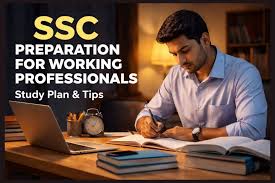
Staying Positive During Long-Term SSC Exam Preparation
Preparing for competitive exams like those conducted by the Staff Selection Commission (SSC) is often a long and demanding journey. Months—or even years—of consistent study, uncertainty, and competition can take a toll on motivation and mental well-being. Staying positive during this phase is not just helpful—it is essential for success.
This article explores practical strategies, mindset shifts, and habits that can help you stay motivated and mentally strong throughout your SSC preparation.
1. Understanding the Nature of Long-Term Preparation
SSC exams such as SSC CGL, CHSL, and MTS require:
- Consistent effort over a long period
- Multiple stages of examination
- High levels of competition
It’s normal to experience:
- Self-doubt
- Fatigue
- Lack of motivation at times
Accepting this reality is the first step toward staying positive.
2. Set Realistic and Achievable Goals
a. Break Down Your Preparation
Instead of focusing only on the final exam, divide your preparation into:
- Daily goals
- Weekly targets
- Monthly milestones
Small achievements create a sense of progress and boost confidence.
b. Avoid Unrealistic Expectations
Setting overly high expectations can lead to frustration. Progress may be slow, but consistency matters more than speed.
3. Build a Strong Routine
A disciplined routine helps reduce stress and keeps your mind focused.
Include:
- Fixed study hours
- Revision time
- Practice tests
- Short breaks
A structured day minimizes confusion and increases productivity.
4. Focus on Consistency, Not Perfection
Many aspirants lose motivation because they aim for perfection.
Instead:
- Study regularly, even on low-energy days
- Accept mistakes as part of learning
- Improve gradually
Consistency over time always beats short bursts of intense study.
5. Manage Stress and Avoid Burnout
a. Take Breaks
Continuous study without breaks leads to exhaustion. Use techniques like:
- Pomodoro method
- Short walks
- Relaxation exercises
b. Stay Physically Active
Simple activities like walking, yoga, or stretching help:
- Reduce stress
- Improve concentration
c. Maintain Proper Sleep
Lack of sleep affects memory and focus. Aim for 6–8 hours of quality sleep daily.
6. Positive Mindset and Self-Talk
a. Avoid Negative Comparisons
Comparing yourself with others can reduce confidence. Everyone has a different pace.
b. Practice Positive Self-Talk
Replace thoughts like:
- “I can’t do this”
with - “I am improving every day”
c. Visualize Success
Imagine yourself clearing the exam. Visualization can:
- Boost confidence
- Strengthen determination
7. Learn from Failures
Failure is a common part of SSC preparation.
Instead of feeling discouraged:
- Analyze mistakes
- Identify weak areas
- Adjust your strategy
Every failure is a step closer to success if used correctly.
8. Stay Connected and Seek Support
a. Talk to Family and Friends
Sharing your thoughts reduces stress and keeps you emotionally balanced.
b. Join Study Groups
Healthy discussion with fellow aspirants can:
- Clarify doubts
- Keep you motivated
9. Limit Distractions
Social media and unnecessary activities can:
- Waste time
- Reduce focus
Set limits and prioritize your goals.
10. Celebrate Small Wins
Recognize your progress:
- Completing a syllabus topic
- Scoring better in mock tests
- Improving weak areas
Small celebrations keep motivation alive.
11. Keep Your Purpose Clear
Ask yourself:
- Why are you preparing for SSC?
- What will success mean to you?
A clear purpose acts as a strong motivator during tough times.
12. Develop Emotional Resilience
Long-term preparation requires mental strength:
- Stay calm during setbacks
- Be patient with progress
- Trust the process
Remember, success in SSC exams is a marathon, not a sprint.
13. Avoid Isolation
Studying alone for long periods can feel overwhelming. Balance study with:
- Social interaction
- Hobbies
- Relaxation time
14. Use Smart Study Techniques
- Practice mock tests regularly
- Revise frequently
- Focus on weak areas
- Use short notes for quick revision
Efficient study builds confidence and reduces stress.
15. Conclusion
Preparing for exams conducted by the Staff Selection Commission is a challenging but rewarding journey. Staying positive throughout this long process requires a combination of discipline, self-belief, and emotional balance.
Remember:
- Progress takes time
- Consistency is key
- Your effort will pay off
With the right mindset and strategies, you can not only stay positive but also perform at your best when it matters most.
