

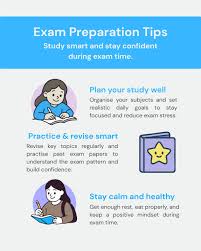
How To Stay Positive And Focused During The Last Stages Of Preparation
Staying positive and focused during the final stages of preparation—whether for exams, competitions, or major life goals—is often the hardest part of the journey. By this point, fatigue sets in, self-doubt creeps up, and the pressure of expectations can feel overwhelming.
Ironically, this is also the phase that matters most. How you manage your mindset and energy now can significantly influence your final performance.
Here’s a deep, practical guide to help you stay steady, confident, and effective when it matters most.
1. Understand What’s Happening to Your Mind
In the last stretch, your brain is under sustained stress. You may notice:
- Reduced concentration
- Increased anxiety
- Overthinking small mistakes
- Comparing yourself with others
This isn’t a sign of failure—it’s a natural response to prolonged effort and high stakes. Recognizing this helps you avoid misinterpreting temporary mental fatigue as lack of ability.
Key shift:
Instead of thinking “I’m losing focus”, reframe it as “My brain needs better management right now.”
2. Shift from “Learning Mode” to “Performance Mode”
Early preparation is about gathering knowledge. Final stages are about:
- Consolidation
- Revision
- Practice under realistic conditions
Trying to learn entirely new topics now often leads to stress and confusion.
Focus on:
- Strengthening what you already know
- Practicing recall, not just reading
- Solving previous papers or mock tests
This builds confidence because you see what you can do, rather than worrying about what you don’t know.
3. Build a Structured but Flexible Routine
A good routine reduces decision fatigue and keeps your day stable. However, rigidity can backfire if you fall behind.
Ideal structure:
- Fixed wake-up and sleep times
- Study blocks (60–90 minutes)
- Short breaks (5–15 minutes)
- One longer break (30–60 minutes)
Flexibility rule:
If a session goes badly, don’t try to “fix the whole day.” Reset at the next block.
4. Manage Negative Thoughts Actively
In this phase, your inner dialogue becomes critical.
Common thoughts:
- “I’m not ready”
- “Others are ahead of me”
- “What if I fail?”
Counter-strategy:
Don’t try to suppress these thoughts. Replace them with grounded alternatives:
- “I’ve prepared consistently; I just need to execute.”
- “Everyone feels this pressure—it’s normal.”
- “I don’t need perfection, just my best effort.”
Writing these down can make them more effective.
5. Use Micro-Goals to Maintain Momentum
Large goals (like “crack the exam”) can feel overwhelming now.
Break your day into small, clear targets:
- Revise 2 chapters
- Solve 25 questions
- Review mistakes from yesterday
Each completed task gives a small psychological win, which fuels motivation.
6. Prioritize Revision Over New Input
At this stage, revision is far more valuable than new learning.
Effective revision techniques:
- Active recall (testing yourself)
- Spaced repetition
- Teaching concepts aloud (even to yourself)
Avoid passive methods like just rereading notes—they give a false sense of confidence.
7. Take Care of Your Body to Protect Your Mind
Your mental state is directly linked to your physical condition.
Essentials:
- Sleep: 6–8 hours (non-negotiable for memory and focus)
- Hydration: Even mild dehydration reduces concentration
- Food: Balanced meals—avoid heavy junk food that causes sluggishness
- Movement: Light exercise or walking boosts mood and clarity
Skipping these might seem like saving time, but it actually reduces efficiency.
8. Limit Comparison and External Noise
Constantly checking what others are doing can destroy focus.
Avoid:
- Comparing study hours
- Panic discussions
- Over consuming “strategy videos”
Instead:
- Stick to your plan
- Trust your preparation process
Remember, you don’t need to outperform everyone—you need to perform at your best.
9. Practice Under Real Conditions
Simulate the final environment:
- Timed practice tests
- Minimal distractions
- Proper sitting duration
This reduces anxiety because your brain becomes familiar with the situation.
10. Learn to Reset Quickly After Bad Days
Not every day will go well. The key is recovery speed.
Bad approach:
“I wasted today, now everything is ruined.”
Better approach:
“Today wasn’t great, but tomorrow is a fresh start.”
Your success depends more on consistency than perfection.
11. Build a Simple Daily Reflection Habit
At the end of each day, ask:
- What did I do well?
- What needs improvement?
- What is tomorrow’s priority?
Keep it short (5–10 minutes). This helps you stay aware without overthinking.
12. Keep Motivation Realistic, Not Dramatic
You don’t need extreme motivation right now. You need steady discipline.
Instead of waiting to “feel inspired,” rely on:
- Routine
- Habits
- Clear goals
Motivation fluctuates. Systems keep you going.
13. Protect Your Confidence
Confidence in the final phase is fragile but crucial.
Build it by:
- Reviewing what you’ve already covered
- Tracking completed tasks
- Not dwelling excessively on mistakes
Mistakes are feedback, not proof of failure.
14. Use Short Mental Breaks to Recharge
When overwhelmed:
- Close your eyes for 2–3 minutes
- Take slow breaths
- Step away briefly
These small resets prevent burnout and improve focus more than pushing through exhaustion.
15. Visualize a Calm, Controlled Performance
Spend a few minutes imagining:
- Sitting confidently during the exam
- Recalling answers smoothly
- Managing time effectively
This isn’t fantasy—it prepares your brain for execution.
Final Thought
The last stage of preparation is not about doing everything—it’s about doing the right things consistently with a calm mind.
You’ve already put in the hard work. Now your job is to:
- Stay steady
- Trust your preparation
- Focus on execution, not fear
Pressure in this phase is a sign that something meaningful is at stake. Handle it well, and it becomes your advantage rather than your obstacle.
