

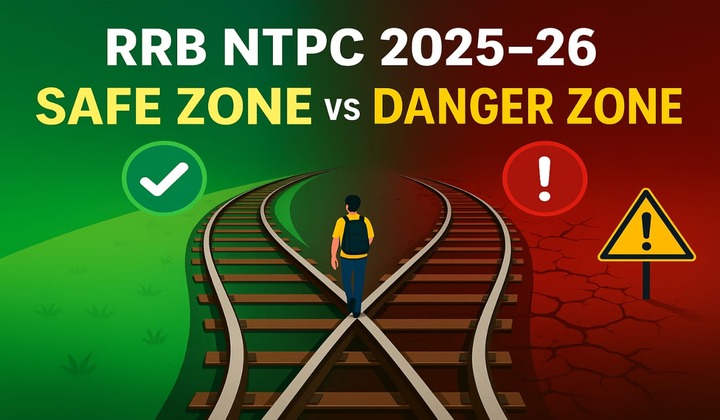
Railway Safety And Its Importance For RRB Exam Candidates
Railway safety is one of the most critical aspects of the Indian Railways. With millions of passengers traveling daily and vast freight operations across the country, ensuring safety is not just a priority—it is a necessity. For candidates preparing for Railway Recruitment Board (RRB) exams, understanding railway safety is essential both for exam success and future job responsibilities.
This article provides a detailed overview of railway safety, its components, importance, and relevance for RRB aspirants.
1. What is Railway Safety?
Railway safety refers to all measures, systems, and practices designed to:
- Prevent accidents
- Protect passengers and staff
- Ensure smooth train operations
It involves a combination of technology, human discipline, and infrastructure management.
2. Importance of Railway Safety
a. Protection of Human Life
The primary goal is to prevent accidents and save lives. Even minor negligence can lead to major disasters.
b. Smooth Operations
Safe railways ensure:
- Timely train movement
- Reduced delays
- Efficient scheduling
c. Economic Stability
Railways are vital for transporting goods. Accidents can disrupt supply chains and cause financial losses.
d. Public Trust
A safe railway system builds confidence among passengers and enhances the reputation of Indian Railways.
3. Major Causes of Railway Accidents
Understanding causes is crucial for both exams and real-life application.
a. Human Error
- Signal misinterpretation
- Negligence by staff
- Lack of coordination
b. Technical Failures
- Brake failure
- Track defects
- Signal malfunction
c. Natural Factors
- Floods
- Landslides
- Fog conditions
d. External Factors
- Trespassing
- Sabotage
- Obstructions on tracks
4. Key Safety Measures in Indian Railways
a. Advanced Signaling Systems
Modern signaling reduces dependency on human judgment and prevents collisions.
b. Track Maintenance
Regular inspection using:
- Ultrasonic testing
- Track recording cars
Ensures track quality.
c. Anti-Collision Systems
An important innovation is the Kavach system, an indigenous technology that:
- Detects potential collisions
- Automatically applies brakes
- Alerts loco pilots
d. Fire Safety Measures
- Fire alarms in coaches
- Fire-resistant materials
- Emergency exits
e. Surveillance Systems
- CCTV cameras
- Real-time monitoring
5. Role of Technology in Railway Safety
Technology has significantly improved safety standards:
- GPS-based tracking
- Automatic train protection systems
- AI-based predictive maintenance
- Drone inspections
These systems reduce human error and increase reliability.
6. Role of Railway Staff in Safety
Safety is not only about technology—it depends heavily on personnel.
Key Responsibilities:
- Following standard operating procedures
- Maintaining alertness during duty
- Proper communication between departments
- Immediate response during emergencies
7. Safety Rules Every Railway Employee Must Follow
For RRB candidates, these are extremely important:
- Obey signal indications strictly
- Never compromise on safety protocols
- Conduct regular equipment checks
- Report faults immediately
- Ensure proper documentation
8. Importance for RRB Exam Candidates
a. Frequently Asked Topic
Railway safety is commonly asked in:
- NTPC
- Group D
- ALP
- JE exams
Questions may include:
- Types of signals
- Causes of accidents
- Safety devices
b. Practical Relevance
Candidates who join Indian Railways will be directly responsible for safety.
c. Interview Importance
Basic understanding of safety protocols is often tested in interviews and document verification stages.
9. Government Initiatives for Railway Safety
The government has taken several steps to enhance safety:
- Track renewal programs
- 100% electrification (reducing fire risks)
- Installation of Kavach system
- Elimination of unmanned level crossings
10. Challenges in Ensuring Safety
Despite improvements, challenges remain:
- Old infrastructure
- High traffic density
- Weather-related disruptions
- Human negligence
11. Tips for RRB Exam Preparation (Safety Topic)
- Focus on basic concepts of signaling and safety systems
- Study previous year questions
- Understand real-life applications
- Revise key terms like:
- Interlocking
- Block system
- Anti-collision devices
Conclusion
Railway safety is the backbone of the Indian Railways. It ensures the protection of millions of passengers and the efficient functioning of the railway network.
For RRB exam candidates, mastering this topic is not just important for scoring marks but also for becoming responsible railway employees in the future. A strong understanding of safety principles can make a significant difference in both exams and real-world railway operations.
