

04 March 2026 The Hindu Editorial
What to Read in The Hindu Editorial ( Topic and Syllabus wise)
Article 1: A reboot
Why in news: Changing global geopolitics, leadership transition in Canada, trade diversification pressures, and mutual economic interests pushed India and Canada to stabilise ties despite unresolved tensions over security and interference issues.
Key Details
Diplomatic Reset: Relations improved after the exit of Justin Trudeau and renewed engagement between Mark Carney and Narendra Modi, following tensions over the 2023 Nijjar killing.
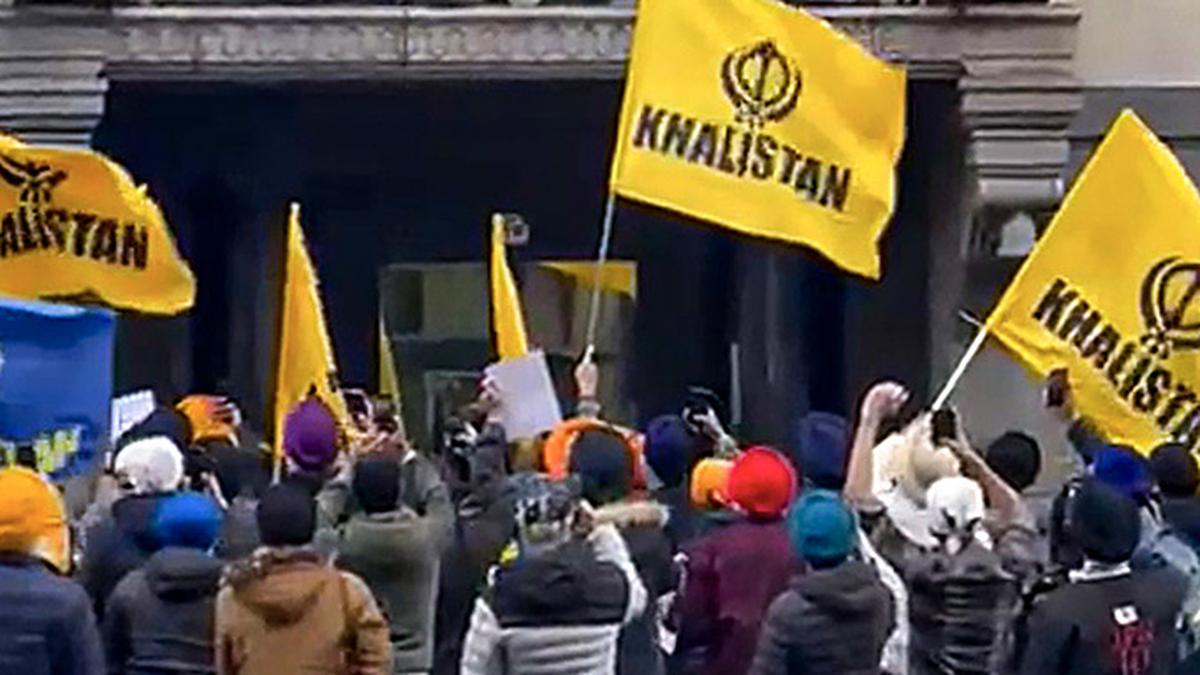
Strategic Engagement: High Commissioners were reappointed, NSA-level talks resumed, and both sides showed willingness to manage differences over the Khalistan issue and foreign interference concerns.
Economic Push: Agreement on the Comprehensive Economic Partnership Agreement (CEPA) framework, aiming to conclude the trade deal this year.
Energy & Defence Cooperation: A 10-year uranium supply pact for Indian nuclear reactors, along with new partnerships in renewable energy, technology, innovation, and defence dialogue.
Unresolved Concerns: Ongoing sensitivities around the Nijjar case and extremist group allegations require greater trust, transparency, and sustained diplomatic dialogue for a stable long-term partnership.
Resetting India–Canada Relations
India and Canada are rebuilding ties that were severely strained after the 2023 killing of Hardeep Singh Nijjar.
The reset gained momentum after the exit of Justin Trudeau, who had accused India of involvement, and the arrival of Mark Carney.
Mr. Carney invited Narendra Modi to the G-7 outreach in Kananaskis, signalling diplomatic re-engagement.
Subsequent steps included NSA Ajit Doval’s Ottawa visit, appointment of High Commissioners, and renewed dialogue on the Comprehensive Economic Partnership Agreement (CEPA).
Geopolitical Drivers of the Rapprochement
Shifts in global politics, particularly trade and foreign policy moves by Donald Trump, have pushed countries to diversify strategic partnerships.
Both India and Canada are recalibrating ties with China amid concerns over trade dependence and supply chains.
Mr. Carney’s Davos speech advocating “middle powers” cooperation and multilateralism aligned with India’s strategic outlook.
Despite the U.S.-Israel attack on Iran coinciding with his visit, Mr. Carney continued engagements in India before travelling onward to Australia and Japan, underlining commitment to the reset.
Key Outcomes of the Recent Talks
Agreement on terms of reference for CEPA, with the goal of concluding the trade pact within the year.
A 10-year uranium supply agreement to support Indian nuclear reactors.
Plans to expand cooperation in renewable energy, technology, innovation, and defence dialogue.
Emphasis on strengthening long-term economic and strategic collaboration.
Challenges and the Road Ahead
Historical tensions since the 1970s, especially over the Khalistan issue, continue to cast a shadow.
Canadian media reports, citing intelligence inputs, suggest ongoing concerns about foreign interference linked to the Nijjar case.
The joint statement avoided contentious issues such as extremist groups and transnational repression, but these may resurface, particularly during the Nijjar trial.
A durable partnership will require greater transparency, honest dialogue, and mutual respect in addressing differences publicly and privately.
Conclusion
The India–Canada reset reflects pragmatic diplomacy shaped by shifting global power equations and shared economic priorities. While progress in trade, energy, and defence cooperation is significant, unresolved concerns over the Nijjar case and extremist activities remain sensitive. Sustainable partnership will depend on institutional trust, transparent dialogue, and mutual respect, ensuring that strategic cooperation is not derailed by recurring political or security disputes.
Descriptive question:
- “India–Canada relations reflect the interplay of geopolitics, diaspora politics, and economic pragmatism.” Critically examine. (10 marks, 150 words)
Article 2: Safety last
Why in news: Weak regulatory enforcement, political patronage, profit-driven shortcuts, poor worker training, and unsafe working conditions allow high-risk explosive industries to operate negligently, resulting in recurring deadly industrial accidents.
Key Details
Frequent Industrial Blasts: Repeated explosions in fireworks and explosives units in Andhra Pradesh and Nagpur have caused significant loss of life in recent years.
Safety Norm Violations: Factories often exceed permitted explosive quotas and workforce limits, ignoring standard operating procedures.
Weak Regulatory Oversight: Lax enforcement by authorities, including allegations of corruption in licensing, has reduced compliance accountability.
Exploited Workforce: Poorly trained, low-paid workers—mainly women from displaced rural backgrounds—face unsafe working conditions.
Urgent Need for Reform: Comprehensive safety overhaul, strict monitoring, and responsible business practices are essential to prevent recurring industrial disasters.
Poor Safety Record in High-Risk Industries
India’s explosives and fireworks sector reflects chronic safety failures.
Industries operate with poorly trained, low-paid workers, unsafe practices, and weak regulatory enforcement.
High-risk units often function at the margins of compliance.
Recent Deadly Incidents in Andhra Pradesh
October 2025 blast at Sri Ganapathi Grand Fireworks in Konaseema killed 10 workers.
A subsequent explosion at Sri Surya Firecrackers, Vetlapalem (Kakinada district), killed 20 workers.
Both units were owned by the same individual, and the Vetlapalem unit had been ordered to shut in January.
The factory exceeded permitted explosive quotas and workforce limits to meet a large temple festival order.
Nagpur: Explosives Hub with Recurring Accidents
Nagpur, historically an explosives manufacturing hub, now hosts several private factories in Bazargaon.
A blast at SBL Energy, Nagpur, killed 19 workers, mostly women.
Over 20 deaths have occurred in recent years, including multiple accidents at Solar Explosives.
Workers are largely poorly educated women, often displaced from acquired farmland and inadequately trained.
Regulatory Failures and Political Patronage
Despite being headquartered in Nagpur, the Petroleum and Explosives Safety Organisation (PESO) faces allegations of lax supervision.
Some PESO officials were investigated by the CBI for allegedly issuing licences in exchange for bribes.
Political connections of factory owners reportedly weaken enforcement action.
Need for Structural Reform and Lessons from Tamil Nadu
Urgent overhaul of safety norms, supervision mechanisms, and compliance culture is required.
Business owners must prioritise worker safety over profit margins.
Sivakasi (Tamil Nadu) demonstrates improvement through enhanced safety training and awareness, though illegal units still pose risks.
Conclusion
Recurring explosions in India’s high-risk industries reveal deep structural failures in regulation, enforcement, and corporate accountability. Worker vulnerability, especially among poorly trained women labourers, worsens the crisis. While examples like Sivakasi show safety improvements are possible, systemic reforms, strict monitoring, and ethical business practices are essential to prevent industrial disasters and ensure sustainable, responsible industrial growth.
Article 3: Vande mataram
Why in news: The Nagaland Legislative Assembly referred MHA’s directive on singing Vande Mataram to a select committee after parties, except Bharatiya Janata Party, sought constitutional and procedural clarity.
Key Details
The Ministry of Home Affairs directed singing of Vande Mataram in official settings.
The Nagaland Legislative Assembly referred the matter to a select committee for examination.
Several parties, except the Bharatiya Janata Party, expressed constitutional and procedural concerns.
Chief Minister Neiphiu Rio acknowledged members’ sentiments during the debate.
The issue reflects broader debates on federal autonomy, cultural sensitivity, and implementation of central directives.
Authorship and Composition
Composed by Bankim Chandra Chattopadhyay
Written in a combination of Sanskrit and Bengali
Created during the rise of Indian nationalism in the 19th century
Reflects cultural revivalism and anti-colonial sentiment
Literary Background
First published in the novel Anandamath in 1882
The novel is set during the Sannyasi Rebellion (18th century)
Portrays the motherland as a divine mother figure
Integrates themes of sacrifice, duty, and patriotism
National Movement Significance
First sung at the 1896 session of the Indian National Congress in Calcutta
Became a rallying cry during the Swadeshi Movement (1905)
Used by revolutionaries as a slogan against British rule
Strengthened emotional and cultural unity among Indians
Constitutional and Legal Status
Adopted as the National Song of India on 24 January 1950
Only the first two stanzas are officially recognized
Distinguished from the National Anthem, Jana Gana Mana
Holds equal respect though different constitutional status
Themes and Symbolism
Celebration of India’s natural beauty — rivers, fields, greenery
Symbol of Mother India (Bharat Mata)
Encourages devotion, courage, and self-sacrifice
Blends spirituality with nationalism
Conclusion
The debate over Vande Mataram in the Nagaland Legislative Assembly highlights the delicate balance between national unity and federal autonomy. While patriotic symbols command respect, their implementation must consider constitutional provisions, cultural diversity, and regional sensitivities. Constructive dialogue and clarity in procedures can ensure harmony while upholding both national identity and cooperative federalism.
EXPECTED QUESTION FOR PRELIMS:
- Which of the following statements are correct in respect of Vande Mataram
It was composed by Bankim Chandra Chattopadhyay.
It was originally written in Sanskrit.
It was first published in the novel Anandamath.
Select the answer using the code given below:
(a) 1 and 2 only
(b) 2 and 3 only
(c) 1 and 3 only
(d) 1, 2 and 3
Answer: c
