The Importance Of The Monetary Policy Of RBI In Banking Exams
What is Monetary Policy? Monetary Policy refers to the policy actions taken by the Reserve Bank of India (RBI) to control the money supply, inflation, interest rates, and liquidity in…



Best Coaching Institute for all Competitive Exams
Best Coaching Institute for all Competitive Exams
What is Monetary Policy? Monetary Policy refers to the policy actions taken by the Reserve Bank of India (RBI) to control the money supply, inflation, interest rates, and liquidity in…
What is the Indian Financial System? The Indian Financial System (IFS) is the network of institutions, markets, instruments, and services that facilitate the flow of funds between lenders (surplus…
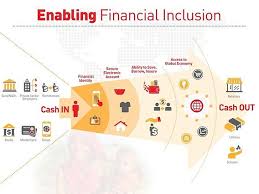
What is Financial Inclusion? Financial Inclusion means providing access to useful and affordable financial services—like banking, credit, insurance, remittances, and pensions—to all individuals and businesses, especially the poor and underserved, in…
What is the Banking Regulation Act, 1949? The Banking Regulation Act, 1949 is a key legislation in India that regulates all banking companies in the country. It was enacted…
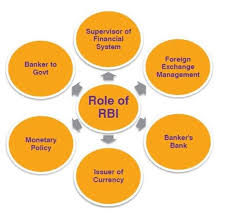
The Reserve Bank of India (RBI), established in 1935 under the RBI Act, 1934, is India’s central banking institution. It plays a pivotal role in regulating and supervising the…
BANKING AWARENESS AND FINANCIAL KNOWLEDGE What is Financial Literacy? Financial Literacy refers to the knowledge and understanding of financial concepts, products, and systems that allow individuals to make informed…
Introduction: Why Banking Professionals Are in Demand Post-Retirement Retired banking professionals possess: In-depth financial knowledge Years of experience in compliance and operations Strong leadership and mentoring capabilities Thus, they…
What Is Digital Banking? Digital Banking refers to the digitization of traditional banking services through online platforms, mobile apps, ATMs, and emerging fintech technologies. It includes: Internet & mobile banking…
Introduction: Why Technology Matters in Banking Technology has transformed banking from branch-based, paper-heavy operations to digital-first, customer-centric platforms. This shift has created new career opportunities, eliminated some traditional roles,…
1. Equal Career Progression Public and private banks offer equal opportunities for women to rise to top leadership roles. Examples: Arundhati Bhattacharya (ex-Chairperson of SBI), UshaThorat (ex-RBI Deputy Governor)…