

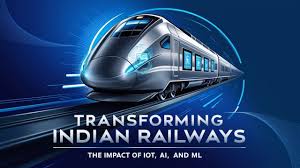
The Role Of Technology In Shaping Indian Railways
The Indian Railways has undergone a remarkable transformation over the past few decades, driven largely by technological advancements. From steam engines to high-speed trains and from manual ticketing to digital platforms, technology has played a central role in modernizing one of the world’s largest railway networks.
This article provides a comprehensive and detailed exploration of how technology is reshaping Indian Railways across operations, safety, passenger services, and future development.
1. Evolution of Technology in Indian Railways
Indian Railways has transitioned through multiple technological phases:
- Steam Era → Coal-powered locomotives
- Diesel Era → Improved efficiency and range
- Electric Era → Faster, cleaner, and more sustainable operations
Today, the focus is on digitalization, automation, and smart infrastructure.
2. Digital Transformation in Passenger Services
a. Online Ticketing Systems
One of the biggest technological revolutions has been the introduction of online ticket booking through platforms like Indian Railway Catering and Tourism Corporation (IRCTC).
Key Benefits:
- 24/7 ticket booking
- E-tickets and mobile tickets
- Real-time seat availability
- Reduced queues at stations
b. Mobile Applications
Apps such as:
- IRCTC Rail Connect
- NTES (National Train Enquiry System)
Provide:
- Live train tracking
- Platform information
- Delay updates
c. Smart Ticketing
Technologies like:
- QR code tickets
- Automatic ticket vending machines
- Contactless payments
are making travel more convenient and faster.
3. Technological Advancements in Train Operations
a. High-Speed and Semi-High-Speed Trains
Modern trains like Vande Bharat Express represent a major leap in indigenous technology.
Features:
- Faster acceleration
- Energy efficiency
- Advanced safety systems
- Passenger-friendly design
b. Electrification
Indian Railways is rapidly electrifying its network to:
- Reduce fuel costs
- Lower carbon emissions
- Improve speed and efficiency
c. Dedicated Freight Corridors (DFC)
Technology-driven freight corridors help:
- Reduce congestion on passenger lines
- Increase freight speed
- Improve logistics efficiency
4. Safety Enhancements Through Technology
a. Train Protection Systems
One of the most significant innovations is the automatic train protection system like:
v=dtv = \frac{d}{t}v=td
While this basic relation explains speed, modern systems go far beyond it—using sensors, GPS, and algorithms to monitor and control train movement.
A key indigenous system is Kavach, which helps prevent collisions by automatically applying brakes when danger is detected.
b. Surveillance and Monitoring
- CCTV cameras at stations and inside trains
- Drone surveillance for track inspection
- AI-based monitoring systems
c. Fire and Disaster Management
Advanced fire detection systems and emergency response technologies improve passenger safety.
5. Infrastructure Modernization
a. Smart Stations
Railway stations are being upgraded with:
- Wi-Fi connectivity
- Digital display boards
- Escalators and lifts
- Smart lighting systems
b. Track and Signal Technology
- Electronic interlocking systems
- Automatic signaling
- Real-time monitoring of track conditions
These reduce human error and increase operational efficiency.
6. Role of Artificial Intelligence (AI) and Data Analytics
AI is increasingly being used in:
a. Predictive Maintenance
- Detecting faults in tracks and trains before failure
b. Demand Forecasting
- Analyzing passenger trends to optimize train schedules
c. Energy Optimization
- Efficient power usage in electric trains
7. Environmental Sustainability Through Technology
Technology is helping Indian Railways become greener:
- Solar panels at stations
- Energy-efficient locomotives
- Bio-toilets in coaches
- Rainwater harvesting systems
These initiatives reduce environmental impact and support sustainability goals.
8. Challenges in Technological Implementation
Despite progress, several challenges remain:
a. High Investment Costs
Advanced technologies require significant funding.
b. Infrastructure Limitations
Older tracks and stations may not support modern systems.
c. Skill Gaps
Employees need training to adapt to new technologies.
d. Cyber security Risks
Digital systems are vulnerable to cyber threats.
9. Future Technologies in Indian Railways
The future of Indian Railways is closely tied to emerging technologies:
a. Bullet Trains
High-speed rail projects are underway to revolutionize travel.
b. Hyper loop (Concept Stage)
Ultra-fast transportation systems may become a reality in the long term.
c. Internet of Things (IoT)
Connected devices for real-time monitoring of trains and infrastructure.
d. Automation
Driver-assist and potentially driverless train technologies.
10. Impact on Passengers and Economy
Technology has significantly improved:
For Passengers:
- Convenience
- Safety
- Travel experience
For Economy:
- Faster freight movement
- Boost to trade and industry
- Job creation in tech sectors
Conclusion
Technology is at the heart of the transformation of Indian Railways. From digital ticketing to high-speed trains and AI-driven operations, it is reshaping how the railway system functions and serves millions of passengers daily.
While challenges such as cost and infrastructure remain, continued investment and innovation will ensure that Indian Railways evolves into a modern, efficient, and globally competitive transport system.
